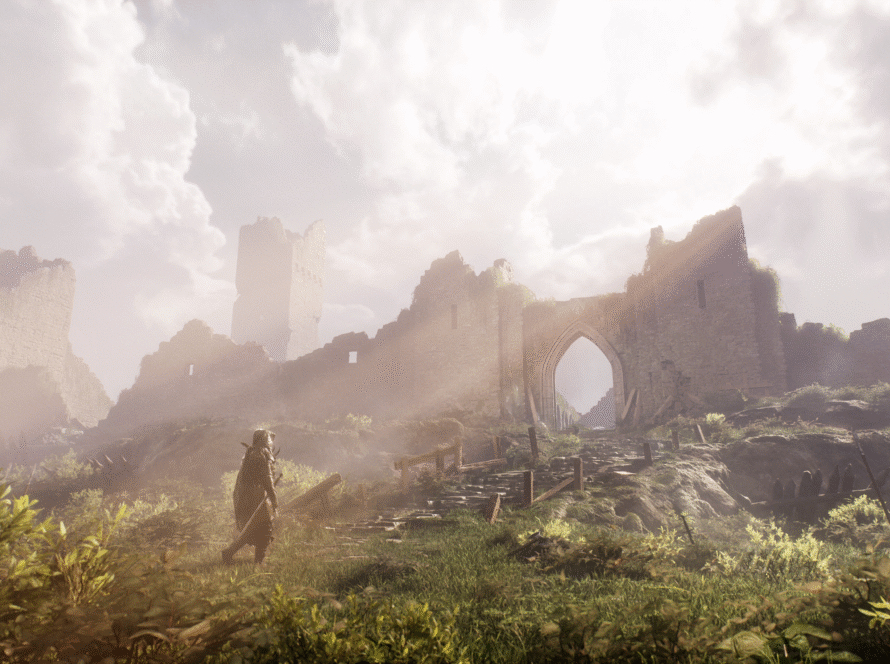
In our second Mentee Showcase, we hear from Rafael Serralheiro, an Associate Environment Artist at Light Speed LA.
In our Q&A, Rafael shares his background, journey into the games industry, and key lessons from his Vessel Forge experience. Followed by an in-depth breakdown of his personal project, “The Next Chapter.”
Q: What is your area of focus? And which Vessel Forge program did you enroll in?
Currently, I am an associate environment artist at Light Speed LA, working on the announced game Last Sentinel. I have been working professionally in the game industry for over a year and a half, and I enrolled in the Career Coaching program with Jonathan Benainous.
Q: Tell us about your background. Where did you learn your craft?
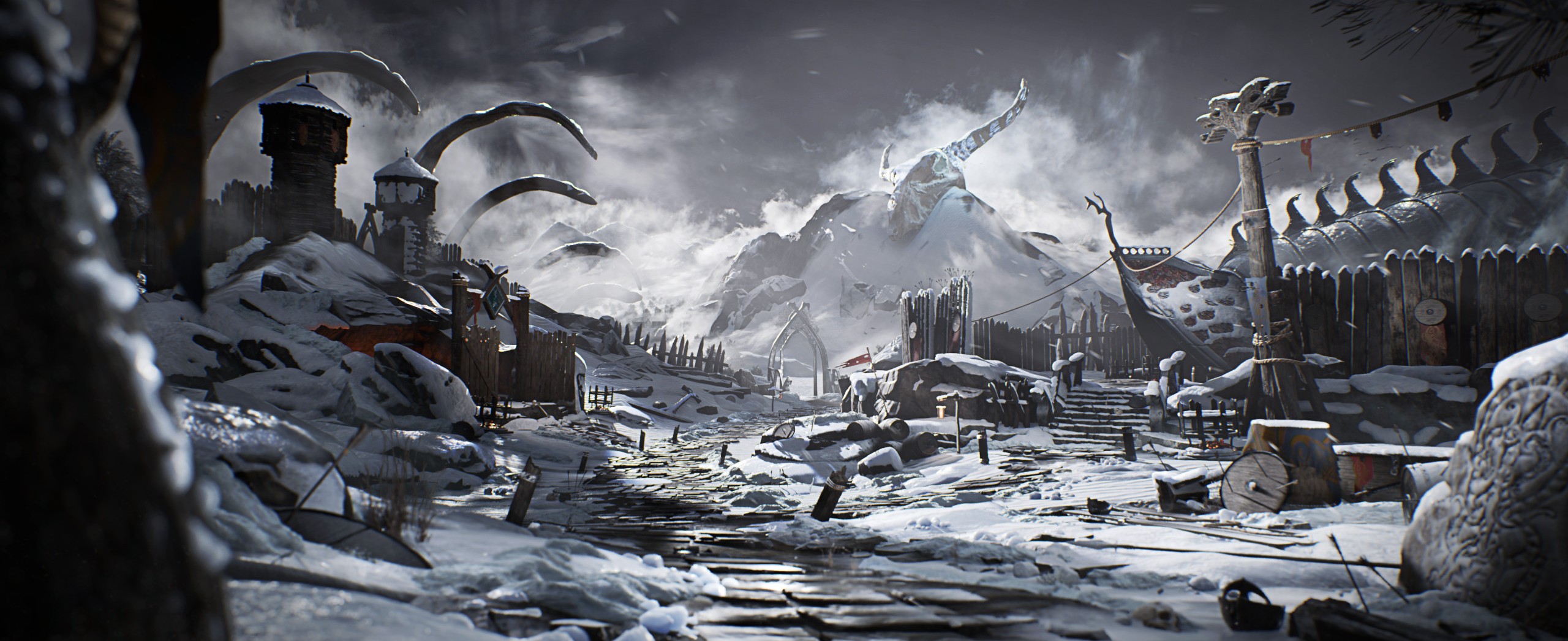
Learning 3D was quite a journey for me. I first started exploring it as a teenager through YouTube, but it didn’t truly take off until I got to college. There, I found myself very drawn to 3D animation after taking a class on the subject. I was so amazed by the medium that I quickly sought out ways to learn and refine my skills. I discovered Gnomon, a school in Los Angeles that specializes in digital production. There, I focused on my craft specifically in environment art for games.
Q: What led you to pursue a career in video game art?
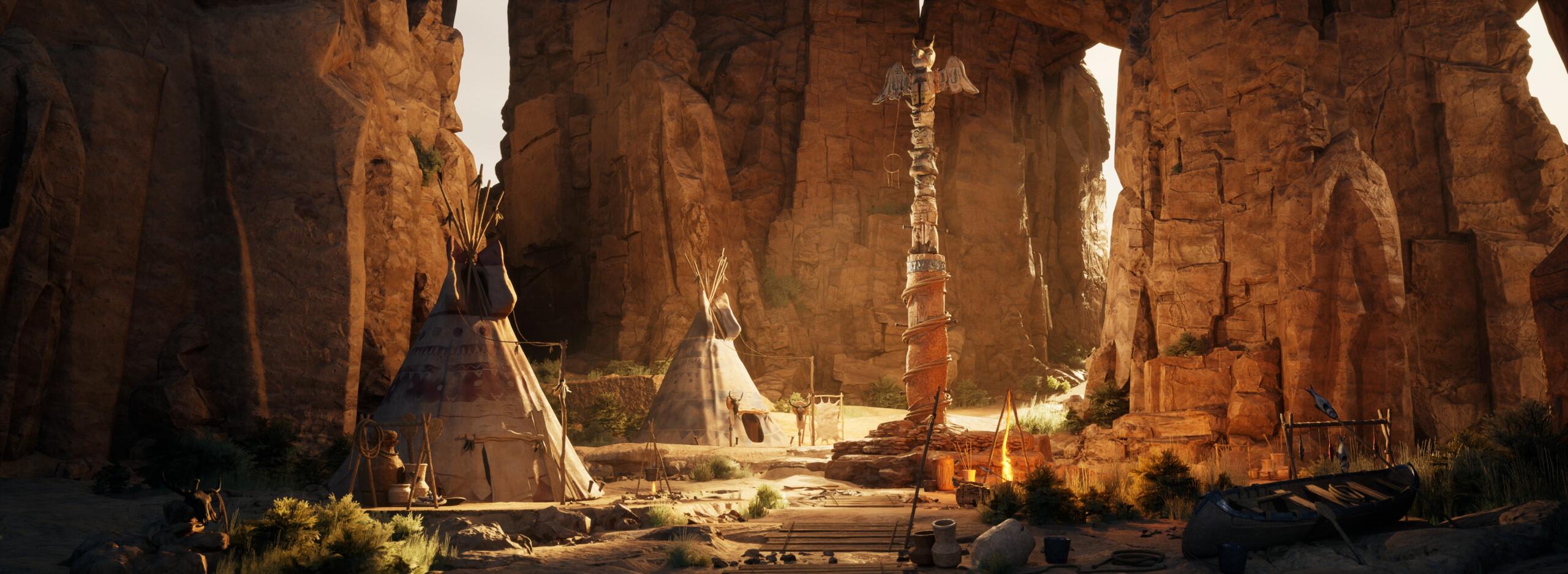
I got my first video game when I was 4 years old—a Game Boy Advance that I still own today. That console is a testament to a passion I didn’t even know I had at the time, but it eventually turned into a career. Growing up, I was always drawn to create. No matter what it was, I was fascinated by technology. Whenever I got my hands on a camera, a computer, or a console, I would always find a way to create and immerse myself in it.
I never considered this path as a career until later in life. The documentary “Raising Kratos,” which covers the making of God of War 2018, lit a bulb in my head. I realized, “Wait, I can actually do this as a daily job!” From that day on, it became my ultimate goal and dedication to be part of and help create compelling narratives that others can experience, just like I did while playing the games I grew up with and loved.
Q: What do you enjoy about creating art for video games?
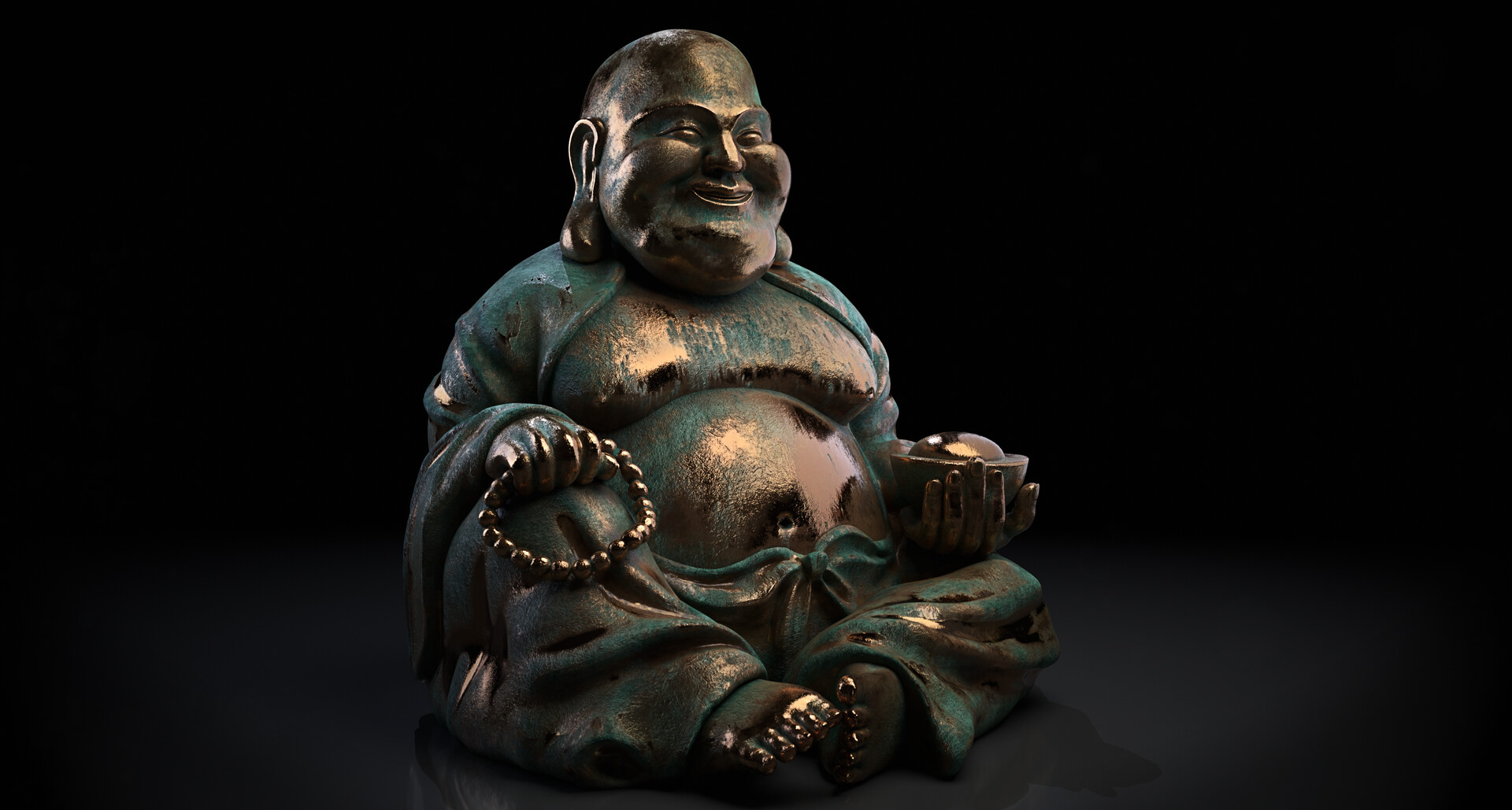
It’s the attention to detail that tells stories. The layering of events and the reflection of time passing are often taken for granted when experiencing an environment. However, every asset placement must have been thoughtfully considered and intentional. That is the best part: coming up with a vision and a space design that ultimately transforms into an environment that players can experience in diverse ways. For the more observant, they might notice and truly appreciate the tertiary details we’ve included, while others simply enjoy the overall vibe.
Collaboration plays a crucial role. Creating a space alone is rewarding, but creating spaces with like-minded individuals elevates the experience to the next level. Exploring ideas and receiving feedback is one of the most rewarding aspects of the creative process for me.
Q: What were some of your biggest takeaways from your Vessel Forge program?
My experience with the mentorship was incredible. It challenged me to step out of my comfort zone and focus on my mid to long-term career goals. Jonathan was fantastic at sharing his insights and personal journey, which helped me shape my own ideas and adjust my goals.
Career Coaching has taught me many valuable lessons, but the most significant one is to trust my intuition. This can be especially challenging for those of us who are new to the industry. It’s essential to listen to your gut while also committing to continuous learning. As a young artist, it’s easy to second-guess your decisions. Although doubt can be a helpful push towards improvement, there’s a fine line between using it as motivation and allowing it to slow your progress. My experience with Career Coaching has clarified how to transform doubt into a driving force that enhances my skills and performance.
The biggest takeaway is that, ultimately, we all pursue this because of our love for it and our obsession with the art form. The Career Coaching program served as a reminder of how much I cherish this craft. It encouraged me to continue creating art that I love alongside my professional work and to stay connected with the latest and greatest updates in the industry while giving me the tools to create a career path.
Q: Why did you decide to apply for a Vessel Forge mentorship?
I decided to apply for two reasons. First, I have a strong desire to continue learning and engaging with my personal projects while improving my skills as an artist. Second, I want to support a newly created company that I trust and have always believed in.
Q: How did you hear about Vessel Forge?
Through friends.
Q: Where can people find your art?
https://www.artstation.com/rafaelserralheiro

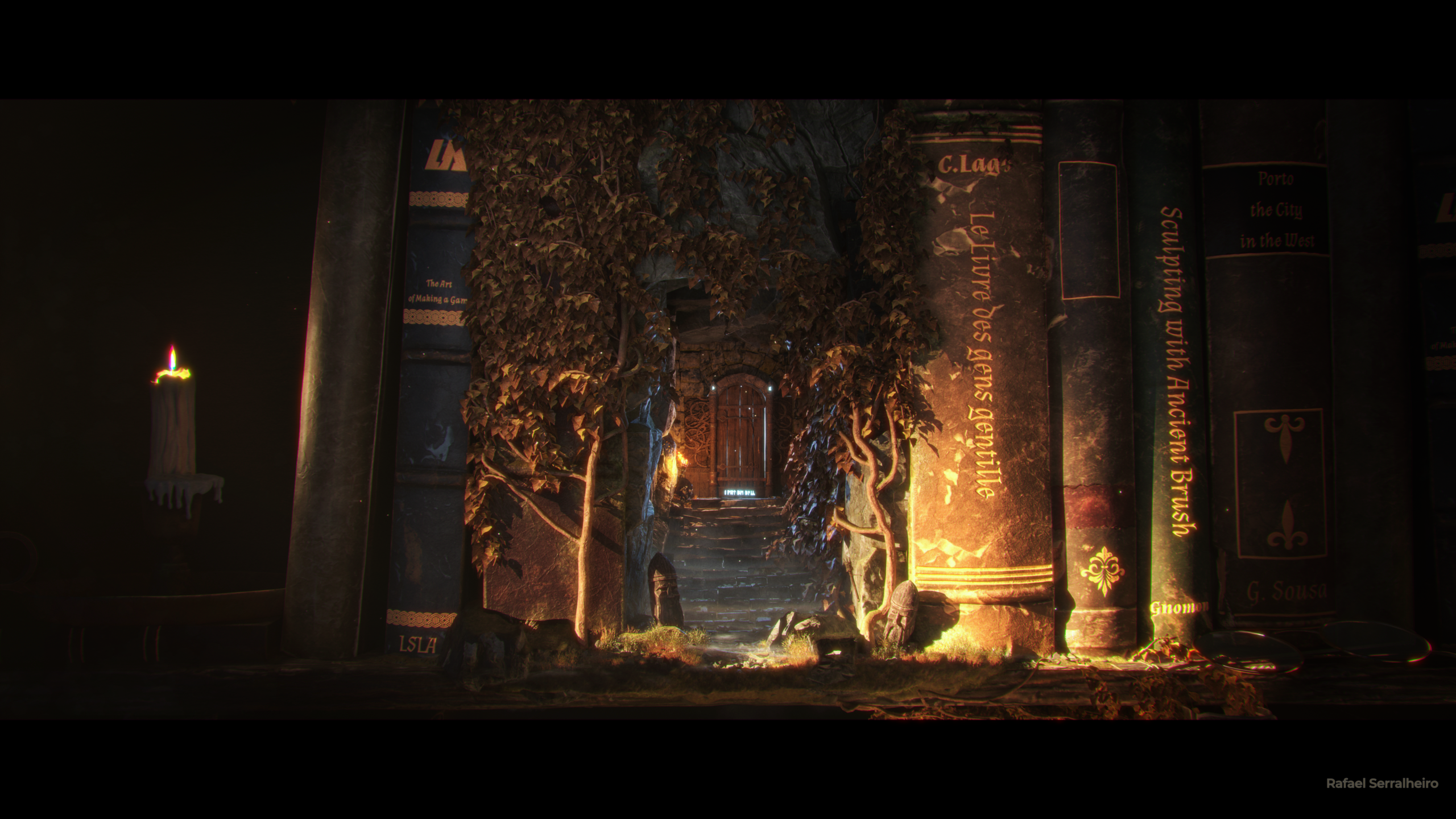
“The Next Chapter” is an environment art piece depicting a book nook with a life of its own. This scene was started during my degree at Gnomon and finished while working professionally in the games industry.
This piece is a tribute to the things that have inspired me along the way—especially fantasy, a genre that has always driven my passion for this career. Worlds like The Lord of the Rings and God of War have had a massive impact on me, and their influence can be felt across many of my previous works. As the project developed, it also became a tribute to a significant turning point in my life: the end of my time in school and the transition into my professional career in the game industry.
I dedicate this piece as a thank you to the friends who stood beside me during school, to my family for their support, and as a closing chapter on the fantasy themes that have inspired me for so long.
The Beginning
When I started this environment, the first step was figuring out how to build a scene around a door I had previously sculpted. I decided to keep the scope smaller so the door could remain the main hero asset and naturally anchor the composition.
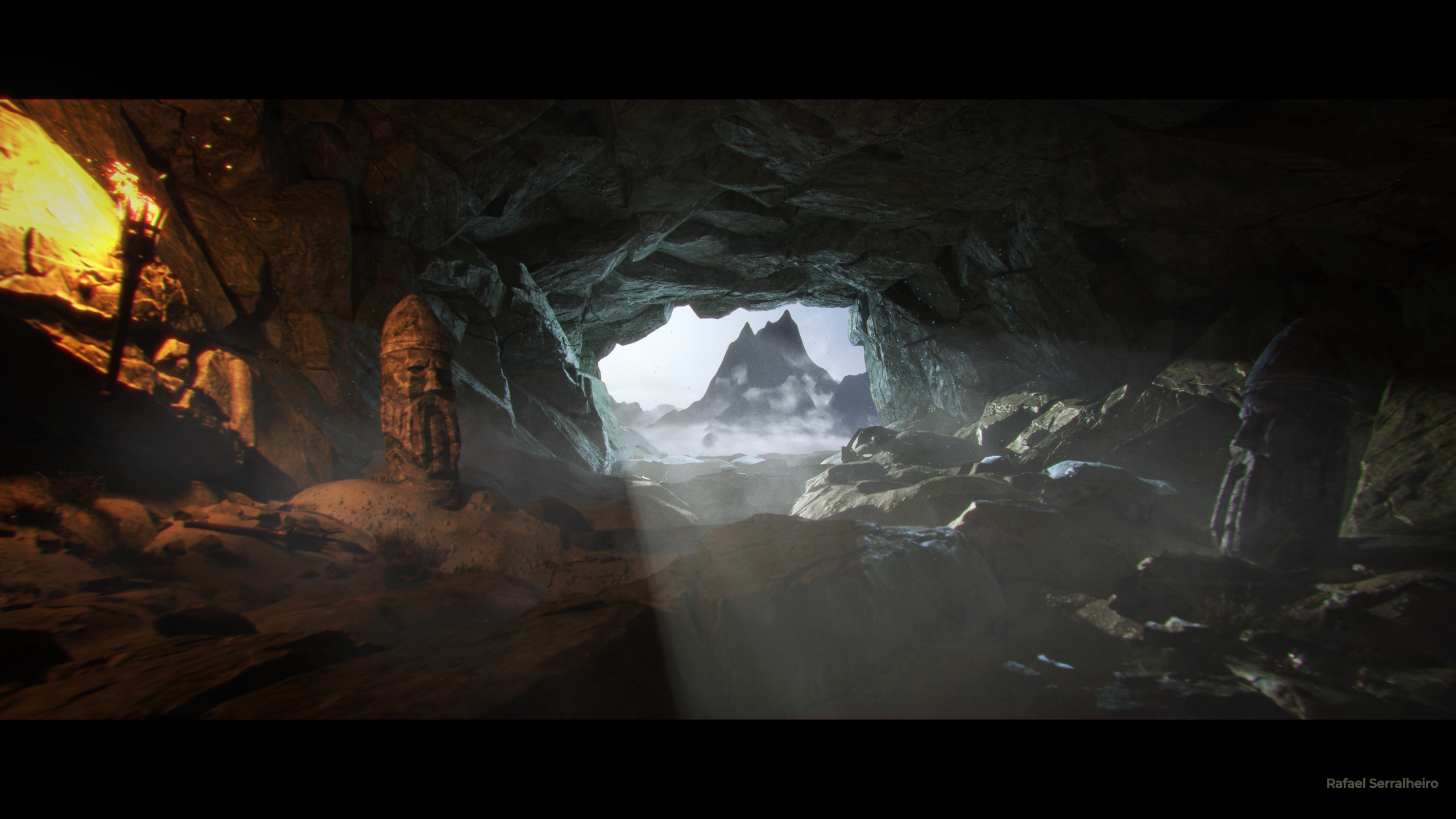
The concept was inspired by shelf decorations featuring tiny “mini-world” scenes and often framed between two books, as in the reference image below. I also wanted the door to feel like a portal to another realm, so I designed the central area to read as a cave entrance.
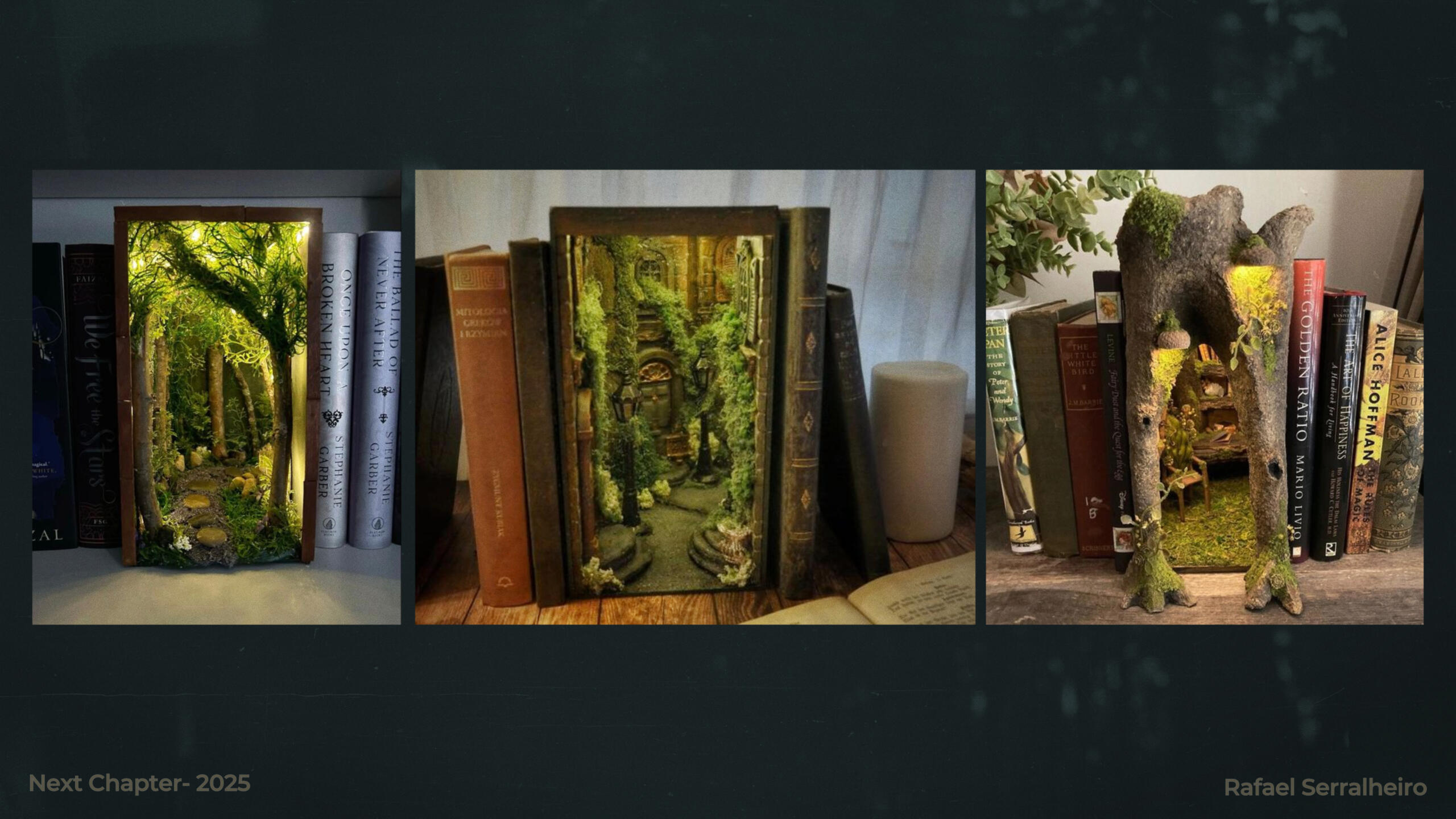
That parallel between doors and books is meaningful to me as both are symbolic gateways and an invitation to step into a different world, whether through imagination or through passage.
This was the core concept of the scene, serving as a valuable exploration into creating an environment that differs from my earlier work and presents its own challenges, which I will discuss in more detail below.
Building the Cave — The Progress
Building this environment was an exploration journey, since I discovered the space as I created it. I had a rough plan from the start, but many of the assets and ideas emerged naturally along the way.
I began with the core elements—the door, books, shelf, and the surrounding rocks—since I knew those would define the scene. As a side note, but important to mention early on, when I build environments, one of the first steps I take is setting up multiple cameras to explore composition and framing from different angles. Choosing the right camera angle and placing the right settings early helps guide future decisions, keeps the scope focused, and ensures I’m always prioritizing the most important areas of the environment.
Below is one of the earlier iterations of the project, mostly with block-out assets and very placeholder lighting.
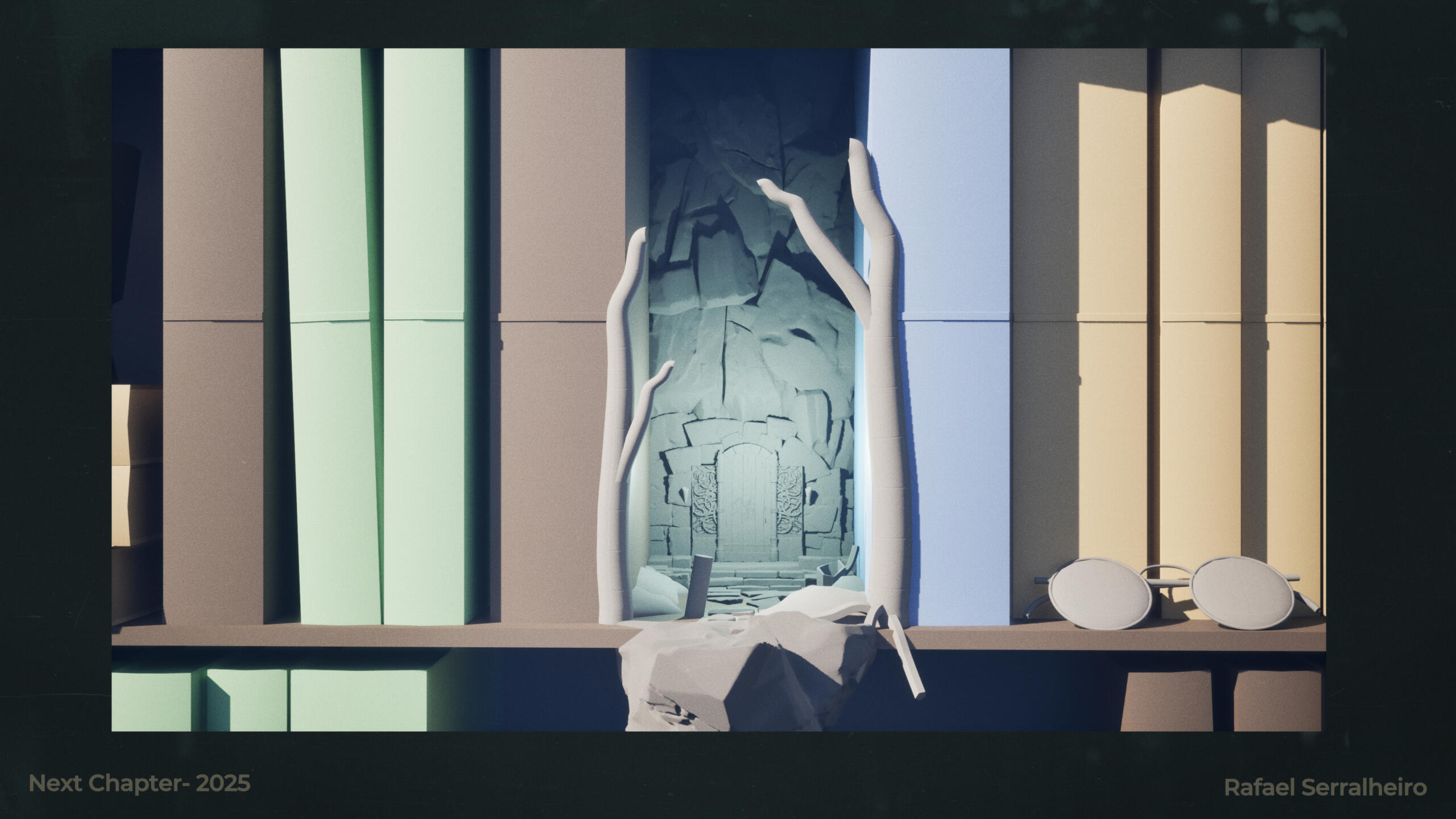
I tend to take screenshots to track the progress of the scene because they help visualize the progression and identify problems along the way. At this stage, a few issues started to rise.
Problems at this stage:
- Flat lighting
- The door was too low in the frame
- Book edge breakup
I quickly realized I needed a stronger focal point to pull the viewer’s eye toward the center of the composition and prevent the books from competing with the main hero asset. I also noticed the value of adding familiar, real-world objects—like the glasses on the side—this helped ground the viewer in a recognizable asset that could be compared to the books. Details like this help establish scale, add a sense of lived-in reality, and ground the viewer in the space.
As I continued building the environment, I felt the scene also needed vegetation to break up the sharp, rigid edges of the books and create a more organic, natural frame around the door.
Below is a progress shot showing the scene in development, with work-in-progress lighting, materials, and models.
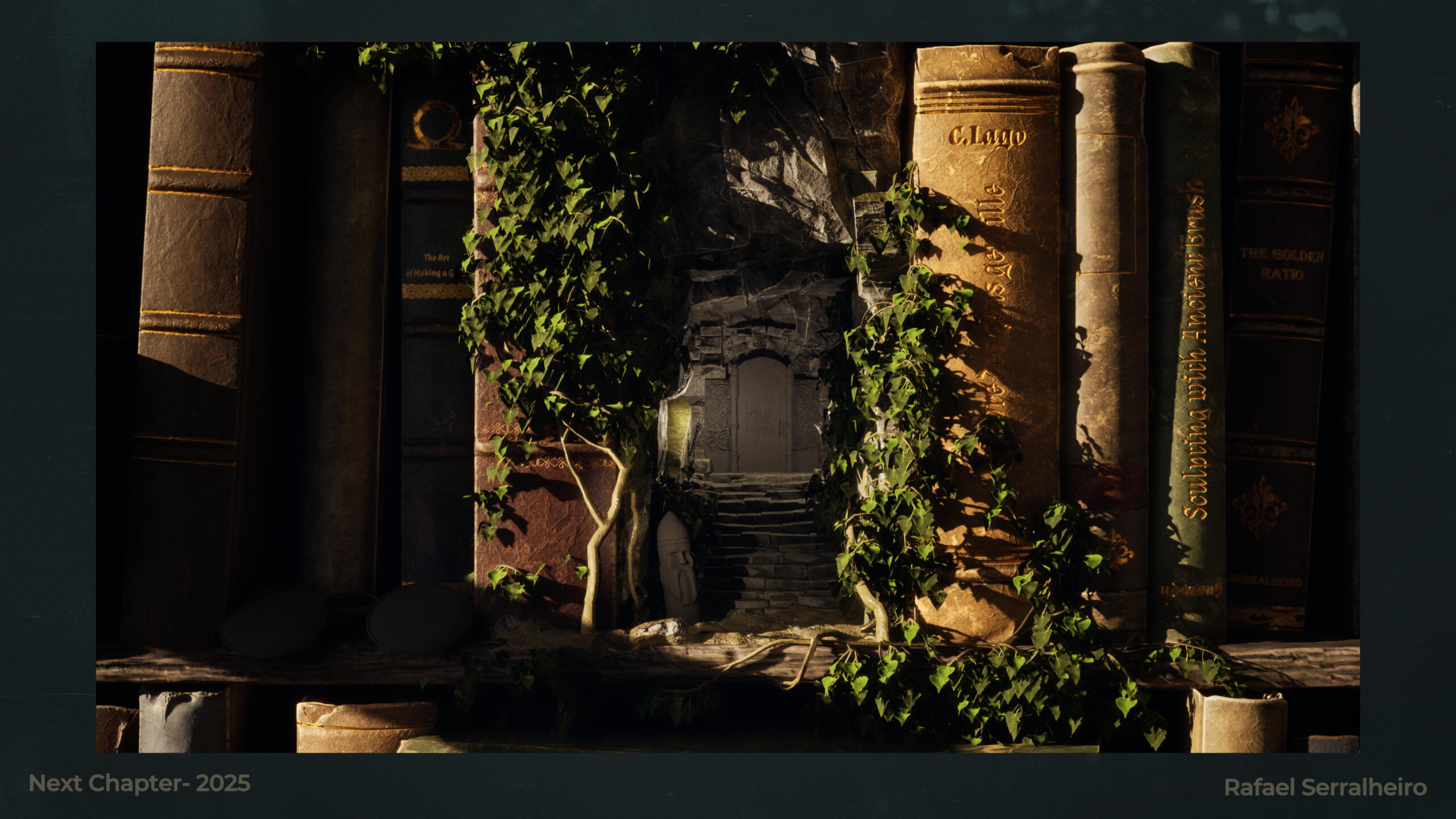
Problems at this stage were:
- The light had too much contrast
- Vegetation was too chaotic
- Needed to add more breakups with “real-Life” objects
As I continued refining the broad strokes of the scene, I encountered a few challenges to overcome. I’ll go more in-depth on these bottlenecks later, but the two most challenging areas of the process were the lighting and the hero asset integration. The lighting went through several iterations as I searched for the right mood and readability, and I also revisited the door itself—adjusting my original sculpture design to make it clearer and more visually readable within the scene.
The Techniques
For this project, I used many of the core techniques environment artists rely on, including:
- Modular assets
- Tiling textures
- Asset baking and 1:1 unique textures
- Material Layers in Unreal Engine
These workflows are thoroughly documented online and serve as the foundation for developing game environments, so I will not go into too much detail on these topics.
However, one technique I learned more recently—and haven’t seen discussed as widely—is using multiple UV sets to achieve different looks in-engine. Because of how useful it is, I decided to integrate it into my workflow for this environment.
The idea is simple: UV set 0 is used for the main tailing texture, maintaining the consistent texel density. UV set 1 is dedicated to the Object Mask (RGB mask), which lets me apply controlled breakup and variation through material blending in Unreal—while still preserving clean tiling and proper texel density.
I exported the asset only with UV set 1 into Substance Painter, where I created an OBJM mask that I then used inside Unreal under my Material Layer Blend so I could tweak the look of the asset and add breakup.
Below is the result of creating an Object Mask in Painter and visualizite in Unreal Engine to make sure it matches what I created in Painter and to understand that the UV 0 to 1 setup was working.
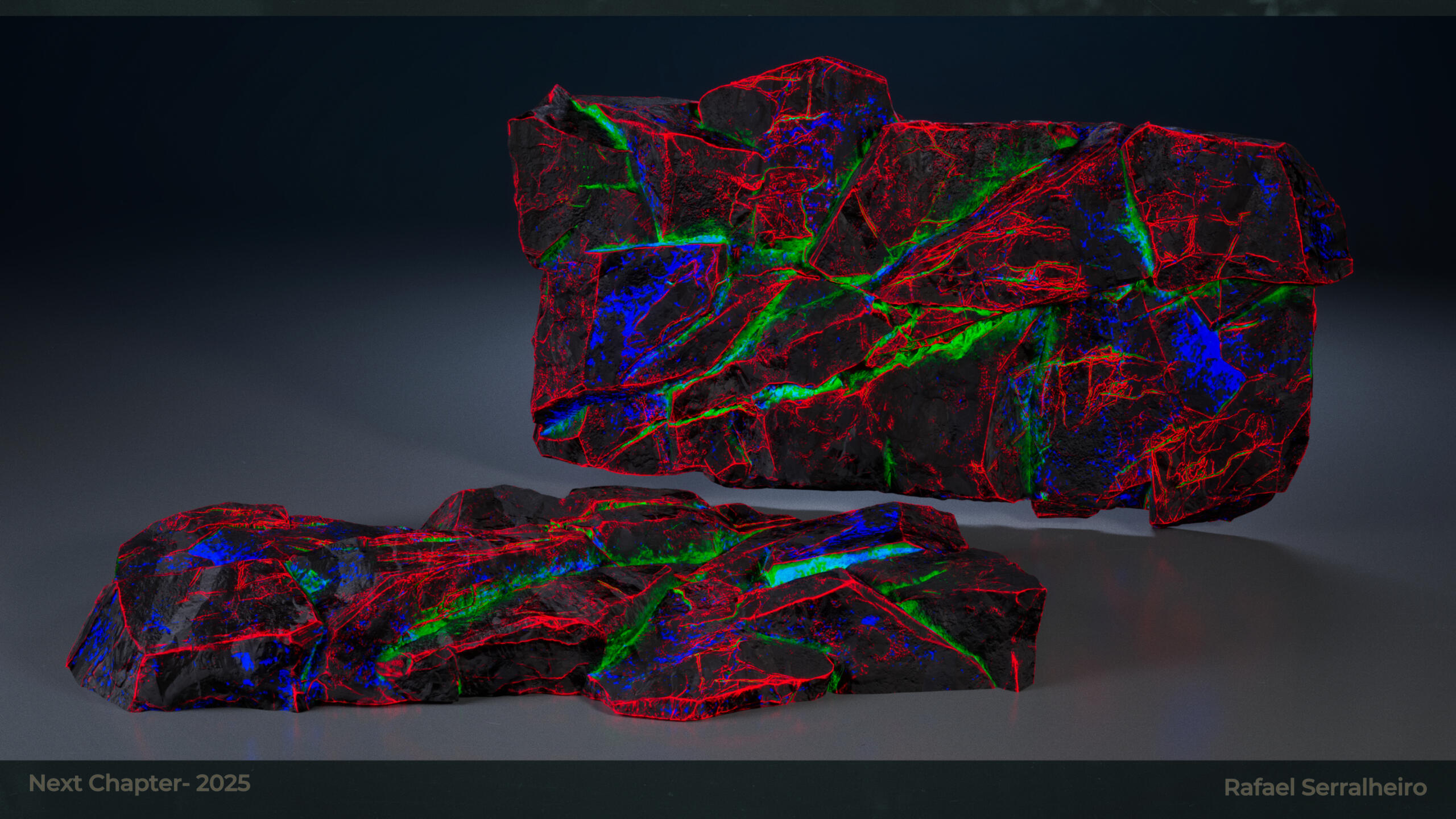
Here is a GIF of where I was switching the OBJ Mask Material Layer Blend from reading UV set 0 to UV set 1 on the mesh. This allowed me to keep texel density in the first Layer and then play around with the Top Layers.

The Vegetation
Creating the vines for this project was an excellent opportunity to explore new ways of working in SpeedTree, since I hadn’t used it very deeply before. Vines are a perfect candidate for procedural creation, and because this was a personal project, I treated them as a one-off asset rather than building them as a modular set.
To create them, I imported the section of the scene where I knew the vines would live—including the books, the ground, and the rock surfaces inside the cave.
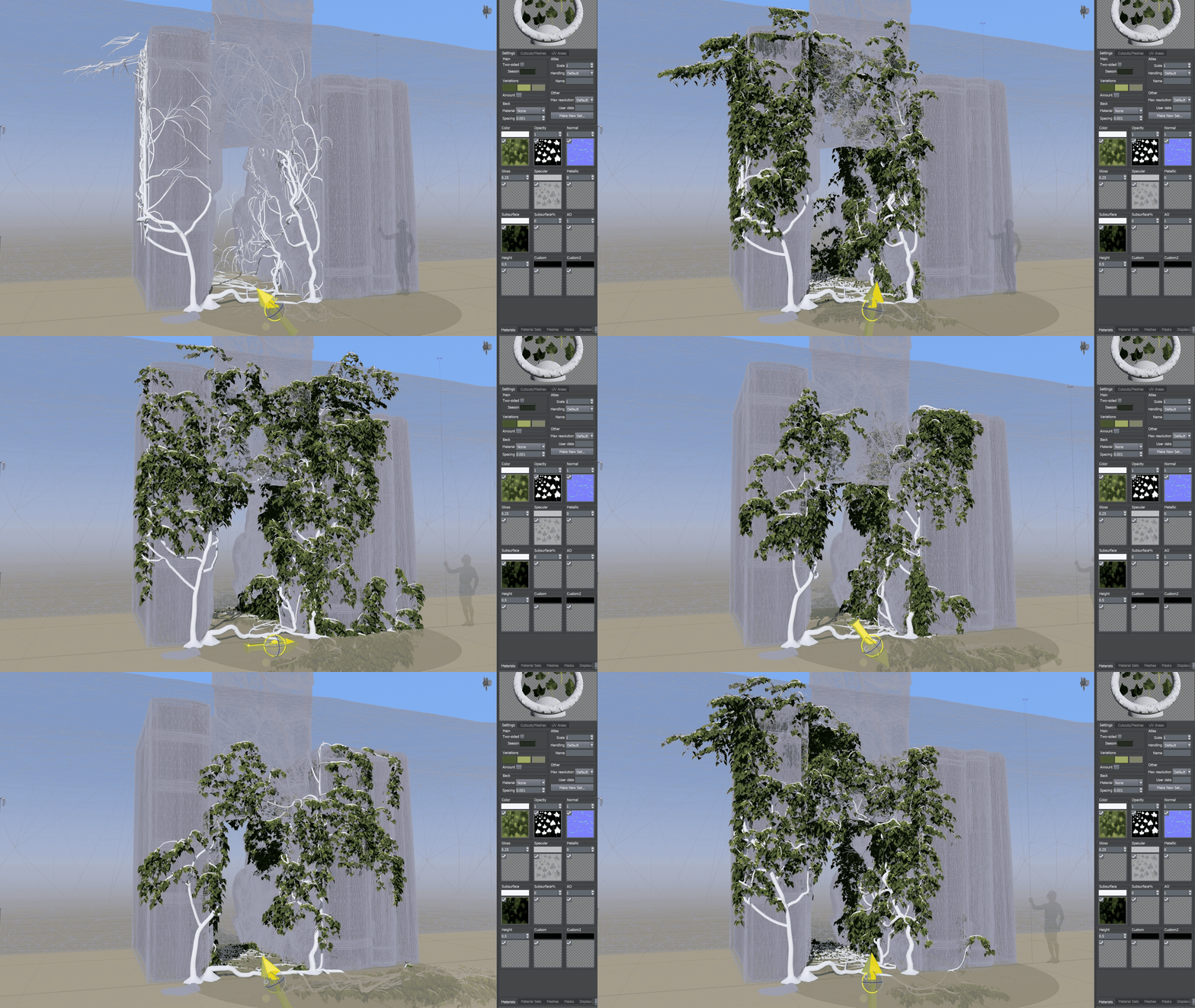
In SpeedTree, I used these assets as Mesh Forces to conform the branches to the surrounding geometry, making it very artist-friendly to iterate on and explore different growth patterns around the door.
In the end, I built two main vine clusters that grew from either side and met near the top, creating a natural transition into the upper area with higher-frequency detail and noise. This was also important for breaking up the clean, straight silhouette of the books and adding a more organic rhythm to the composition.
The image below shows how adjusting a directional force can change the overall look of the vines. By tweaking these values, you can get a wide range of results by controlling the intensity of the forces influencing the growth. In this case, I used a Mesh Force (based on geometry exported from the scene) along with a Directional Force to guide the vines’ direction and flow.
The Challenges
When I read breakdowns from other artists online, I always enjoy hearing about the struggles they faced and how they worked through them during the creative process. So I decided to share a little of the struggles along the way.
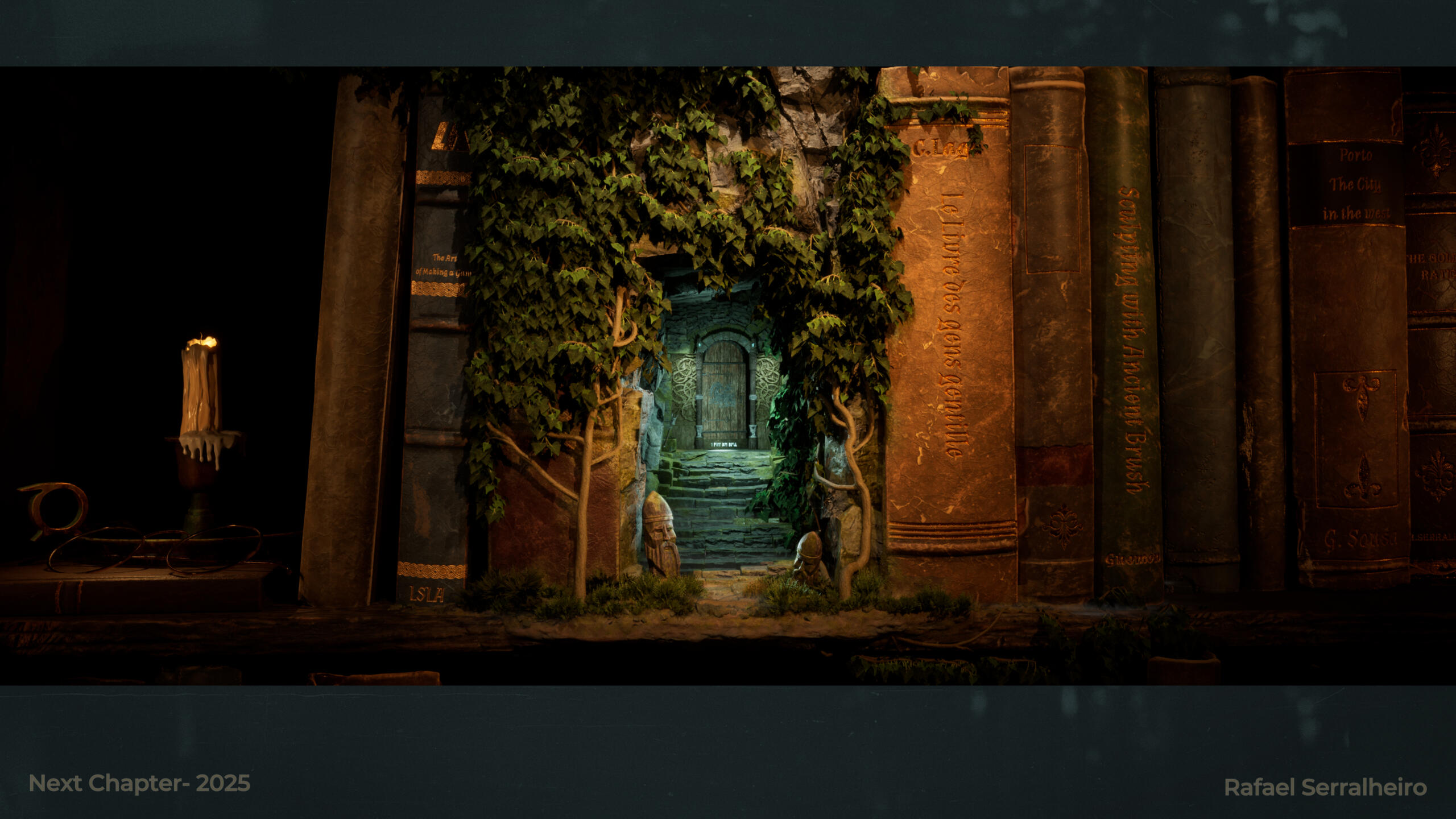
This scene came with several challenges, but lighting was by far the biggest one—and the aspect that changed the most throughout production. Because the composition is relatively flat, I needed lighting to create contrast and guide the viewer’s eye, while still keeping the central area readable so the door and cave entrance remained the focus.
My first instinct was to go for a more naturalistic setup, as if the light were coming from a window. That approach grounded the scene and made it feel more real and less “magical”. However, as the project progressed, I realized the realism of the lighting was starting to clash with the fantasy theme—those two ideas were competing rather than supporting each other. So I decided to fully lean into the fantasy and push the lighting toward a more stylized, fantastical direction.
The hardest part was finding the right balance: keeping the viewer focused on the central frame, introducing a slight angle in the key light for shape and depth, and ensuring the cave stayed visible, but still dark enough to create contrast. Iteration, along with feedback from friends and colleagues, was essential in guiding the lighting to the right place.
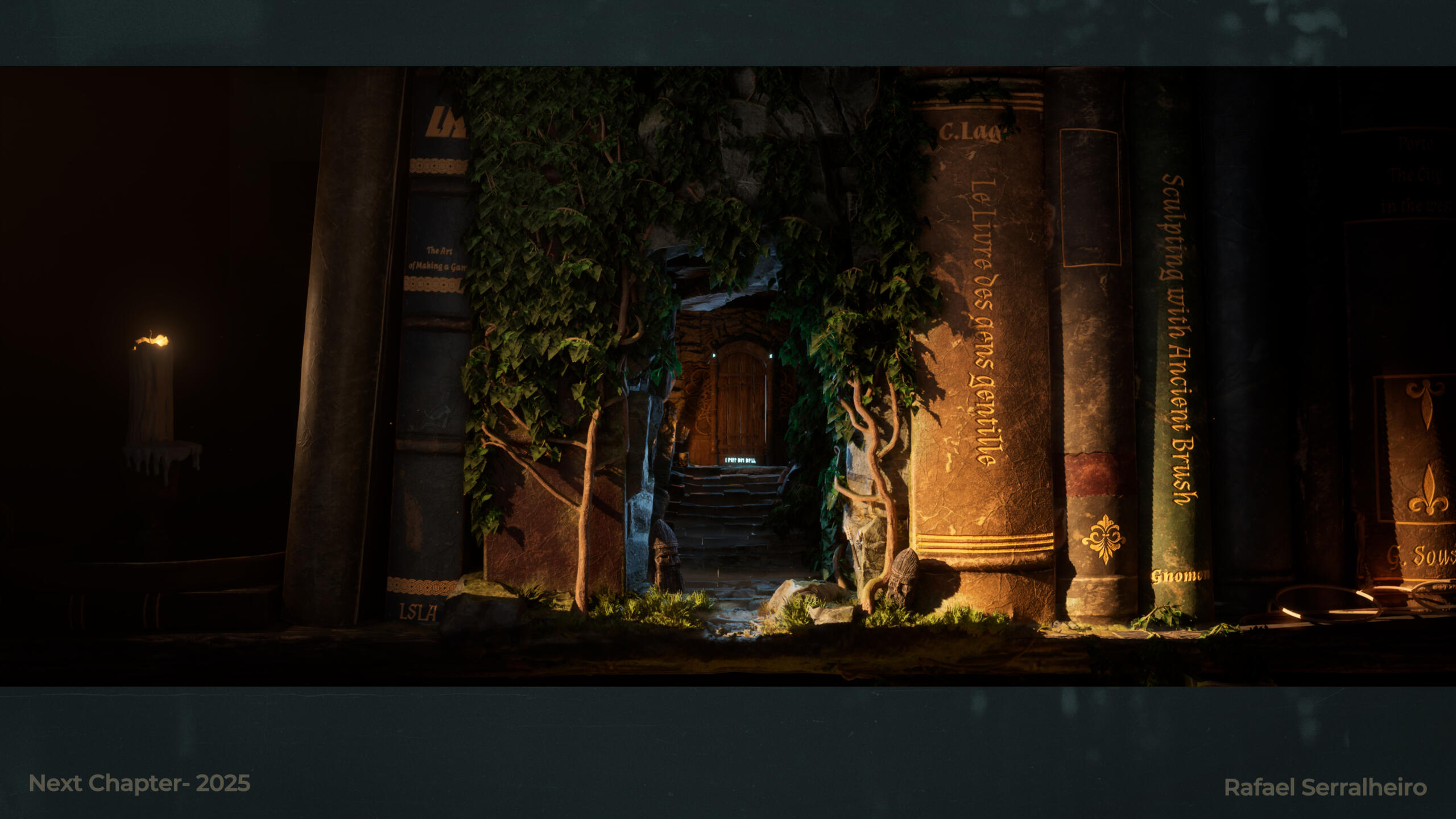
Below are a few examples of the different lighting directions the scene went through.
This initial pass was a first draft, but the scene lacked dynamism, and the lighting made it seem too artificial and flat.
I reintroduced the concept of a light shining through, which added a more dynamic appearance by breaking the straight lines of the books with a diagonal light source. Balancing the light color was also essential to creating a magical atmosphere while maintaining a fairly realistic look.
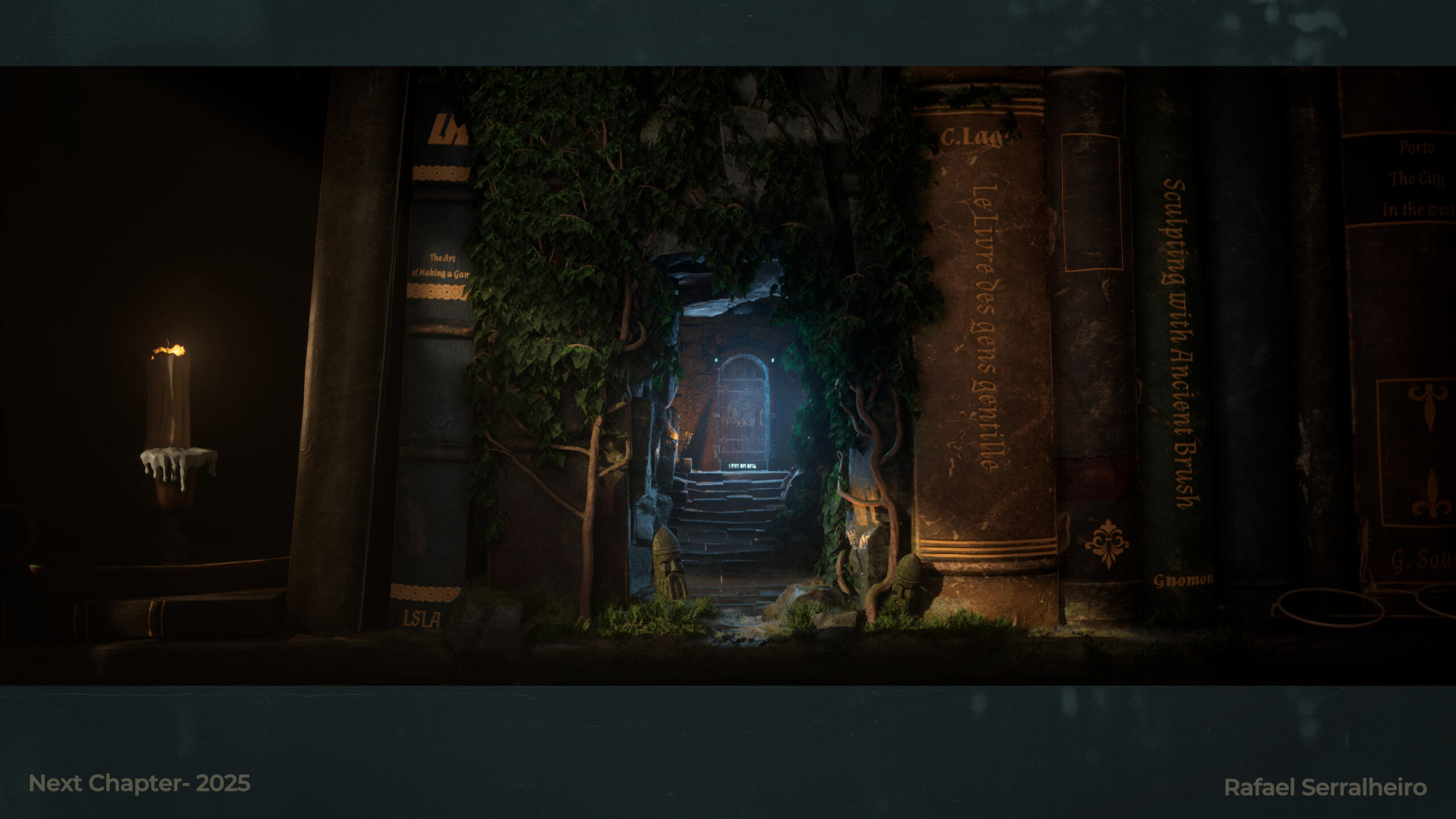
The final result, shown at the beginning of the breakdown, is further along in these iterations, but it’s good to analyze where the space could have gone and see the different looks and moods of the scene.
Another challenge came from the integration of the main hero asset into the scene. I realized I needed to revisit the door asset. The original sculpture was primarily a practice piece focused on pure sculpting, but once I started building out the surrounding environment, the door began to feel overly busy in both shape language and detail. It originally included a central metal figure and a lot of high-frequency detail across the wood and other elements.
To improve readability, I pulled back on the high-frequency noise and focused more on strong primary and secondary shapes—adding clearer cuts and breaks in the wood so the design read more cleanly at a glance. This simplification ultimately benefited the entire composition: the door became a more focused hero asset and created better visual balance with the scene around it.
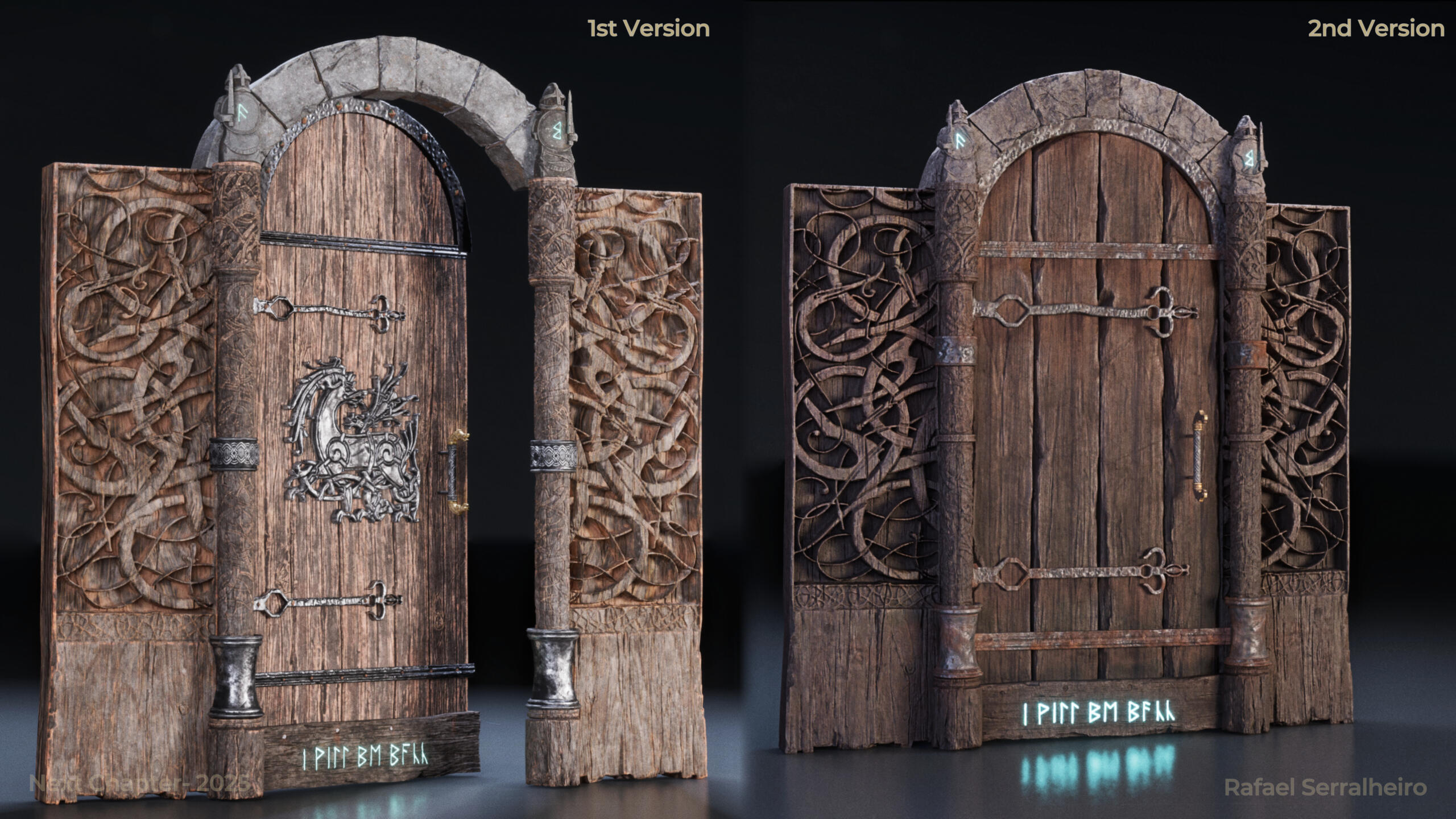
Looking back at this project, there are a few takeaways that I will use for the future. First, it’s important to fully commit to the fantasy you’re building—going all-in usually leads to a stronger result than holding back and landing somewhere in between. Second, it’s crucial to step back and evaluate how ideas work together, not just in isolation. Even if an element looks great on its own, like the original door, it may need adjustment if it doesn’t support the scene as a whole.
The Closing Chapter
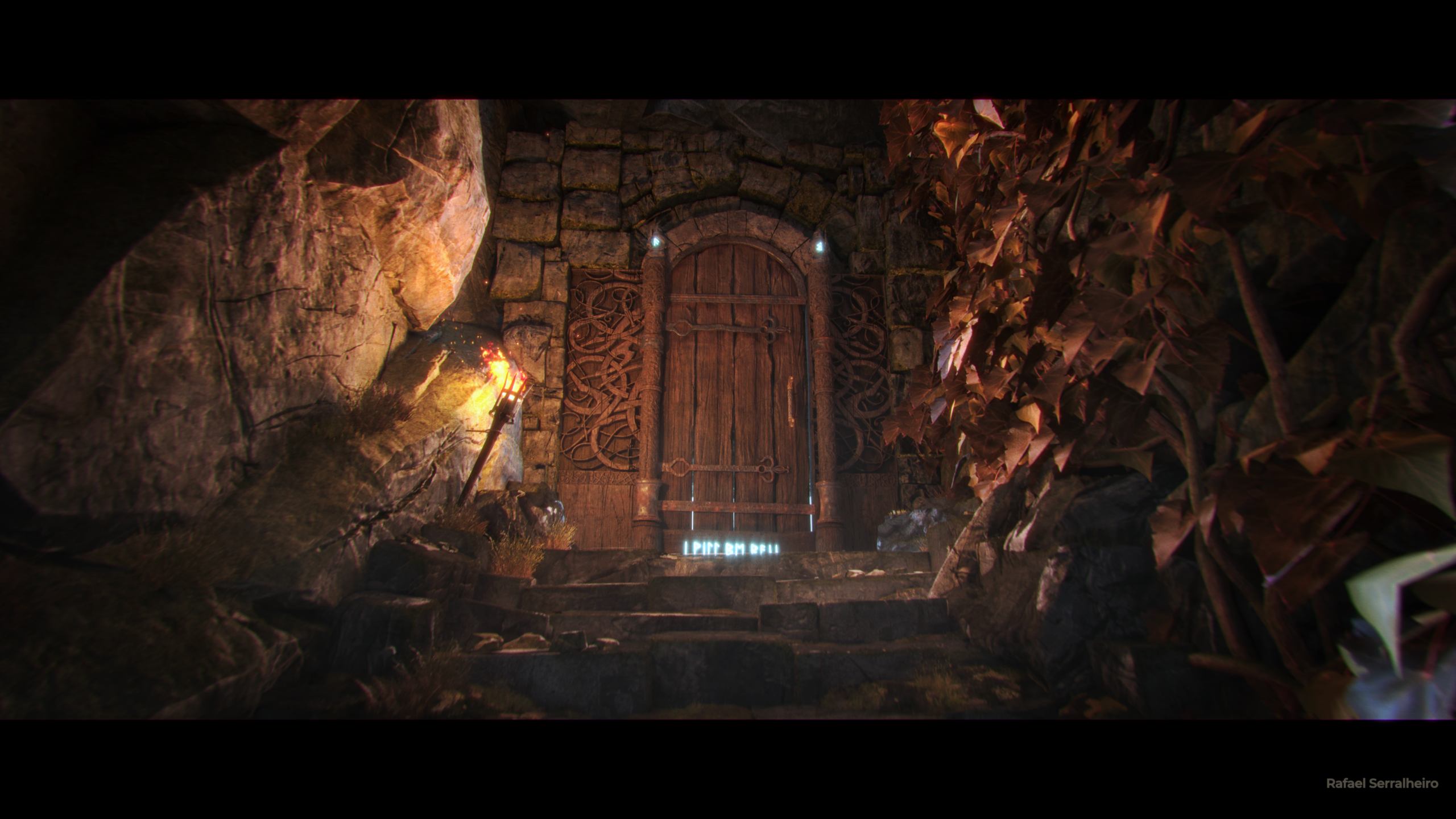
Wrapping up this scene was a genuinely fun experience. The project went through multiple phases, and each one pushed me to refine the look further and take it as far as I could. It also helped me build the habit of consistently working on personal projects while working professionally. In many ways, this piece marked a transition in my process—how I now approach a scene, the new workflows I rely on, and what I value most in terms of readability, storytelling, and polish.
It gave me a chance to apply what I learned in school while also incorporating new knowledge I’ve gained from working alongside other talented artists. And, true to the name and theme of this project, I feel ready for the next chapter—where I’ll explore new styles, looks, and environments.
I’d like to take a moment to thank Vessel Forge for the support and for featuring this breakdown on the blog, as well as Jonathan for his career coaching and thoughtful feedback that helped push this scene forward.
If you’d like to check out the scene, here’s the link:
https://www.artstation.com/artwork/vbXyPv
Connect with me on ArtStation to see more of my work:
https://www.artstation.com/rafaelserralheiro And if you have any questions—or just want to geek out about environment art—feel free to connect with me on LinkedIn:https://www.linkedin.com/in/rafael-serralheiro/
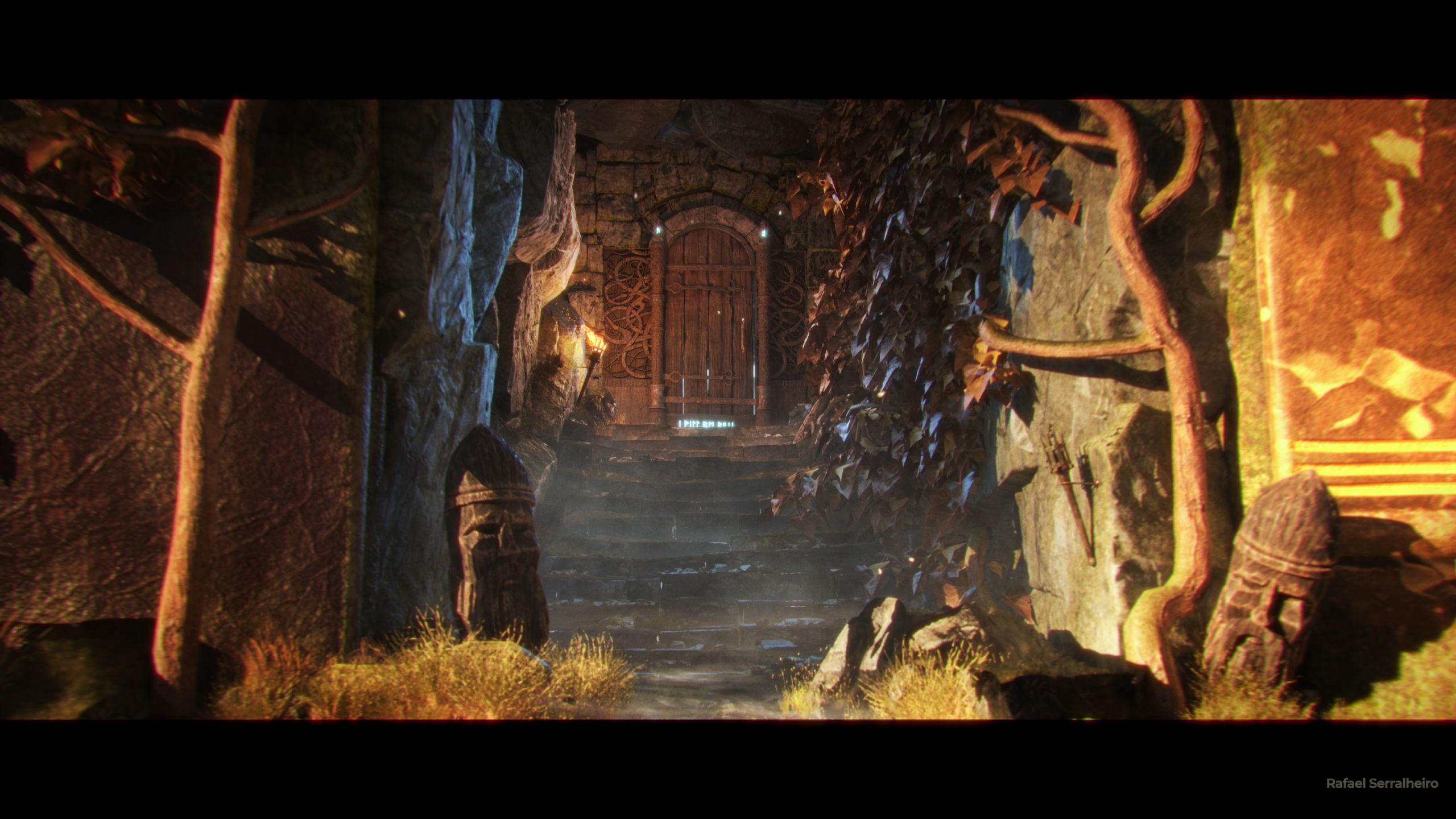
Thank you for reading!