Q: Tell us a bit about you — where do you work and what do you do?
I’m currently a Principal Material Artist at Blizzard Entertainment, where I focus on textures and environment look development for an unannounced project. As a Principal Artist, I contribute to workflow development and help set the visual quality bar for the team. Before this project, I spent nearly seven years on the Diablo IV environment team.
Q: Tell us a little bit about your personal journey into games. Why did you want to get into the industry?
I’ve been a gamer and an artist for as long as I can remember. My brothers and I were obsessed with our Game Boys and N64 growing up, and I was always drawing as well, so games felt like a natural mix of the things I loved.
In high school, I started dabbling in 3D, though at the time I thought I wanted to become an animator. I ended up pursuing animation in college, but eventually realized I was much more drawn to modeling and texturing than animation. From there, everything started to click.
During my senior year, I was lucky enough to land an internship at ArenaNet, and I’ve been working in games ever since.

Q: What do you love about working in games and what inspires you?
I love the variety that comes with working on environments. You rarely get to make the same thing twice, and there’s something really rewarding about helping bring a world to life.
I find inspiration everywhere — movies, photography, ArtStation, travel, and just observing the real world. I recently visited the Faroe Islands and was completely blown away by the landscapes. It’s right up there with New Zealand and the British Isles as one of the most beautiful places I’ve ever been, and trips like that always leave me excited to create.
Q: Do you have a piece of work you’re most proud of in your career and if so, what is it?
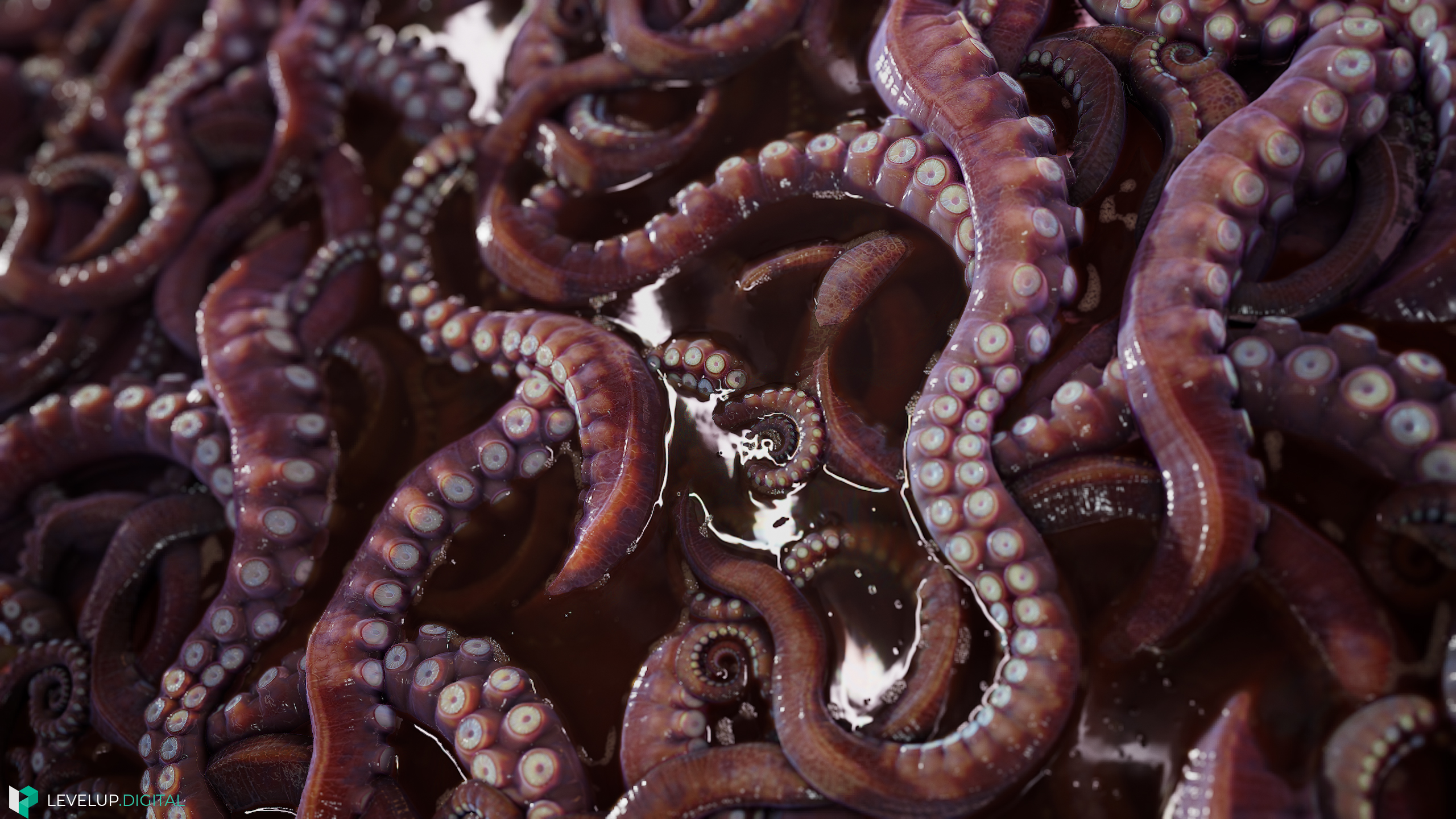
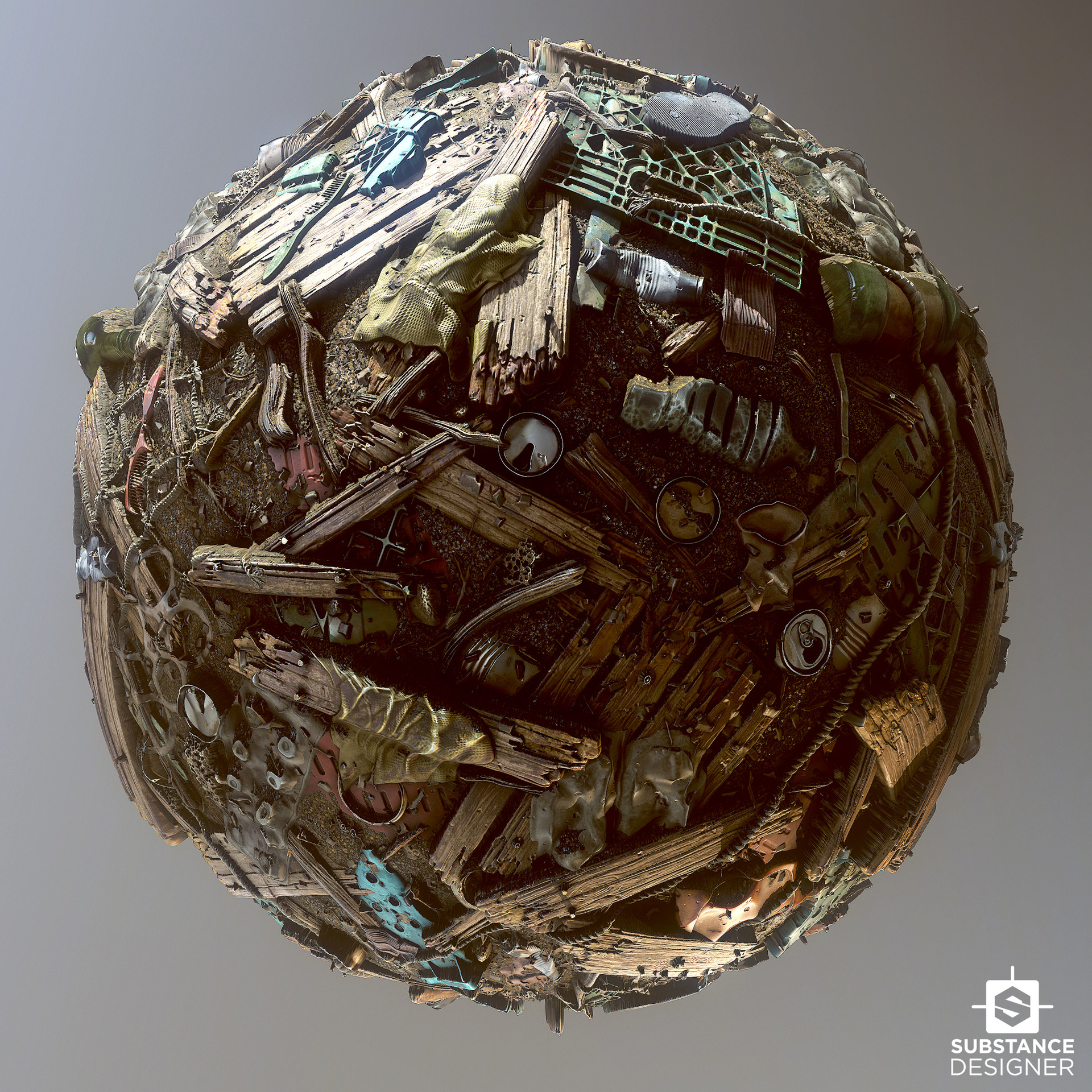
One piece that comes to mind is my octopus tentacle material. At the time, it was really challenging to build. Creating complex, flowing shapes and rotating them convincingly in 3D was very difficult, and I honestly wasn’t sure if it was possible when I started.
That made it especially rewarding when it finally came together. Today, we’re lucky to have proper spline tools and SDF nodes for building similar shapes, but back then, it took much more problem-solving and experimentation.
Q: What’s one piece of advice you wish someone had given you early in your career?
One of the biggest pieces of advice I’d give young artists is to be prepared for constant learning and adaptation, even after you’re established in the industry. Tools and workflows change all the time, but strong fundamentals will always matter. If you build a solid foundation, it becomes much easier to adapt as the industry changes.
Q: What inspired you to join Vessel Forge as a mentor and why?
Jonathan was kind enough to reach out, and it felt like a great opportunity. I’ve followed Vessel Forge from the beginning and have always been impressed by the quality of work coming from the mentees.
I’ve created tutorials and hosted workshops in the past, but this will be my first time mentoring students one-on-one. I’m excited for the chance to offer more personalized, project-specific feedback and help support up-and-coming artists as they develop their skills.
Q: What mentorship program are you leading for Vessel Forge?
I’ll be leading the Material Art Fundamentals mentorship.
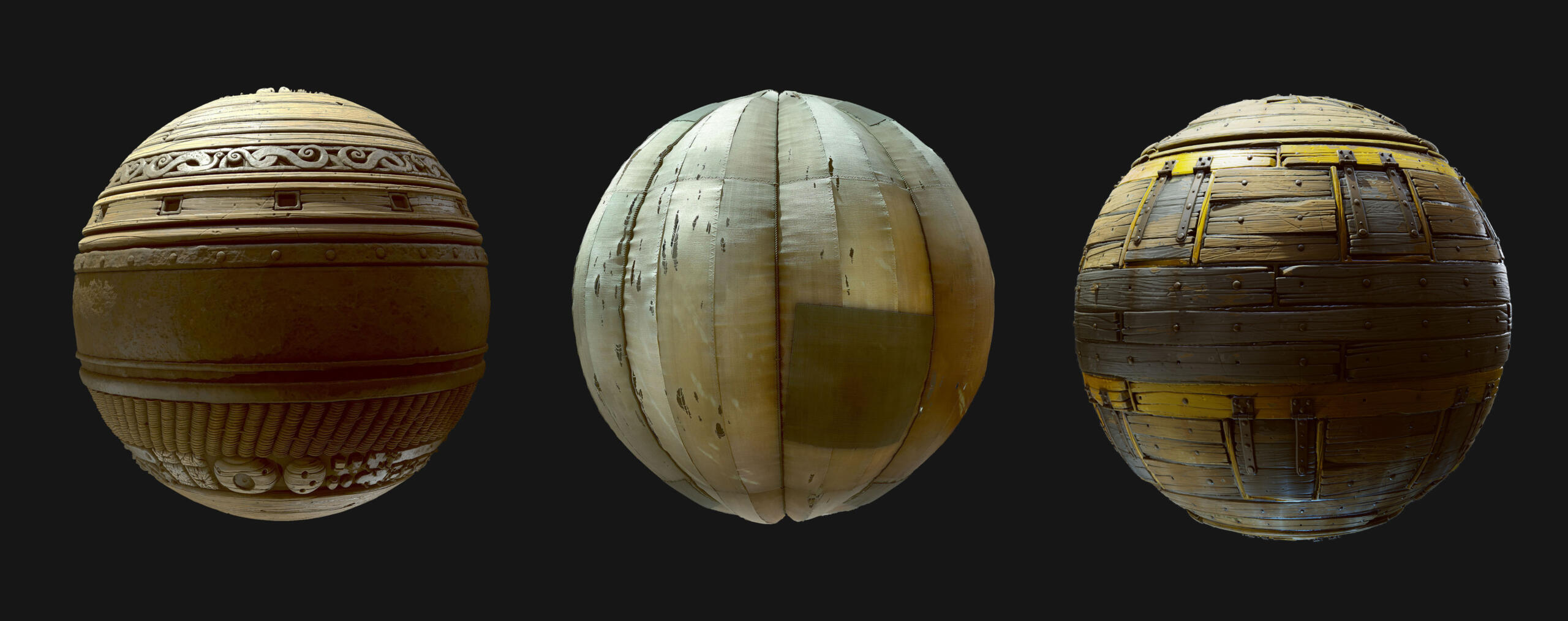
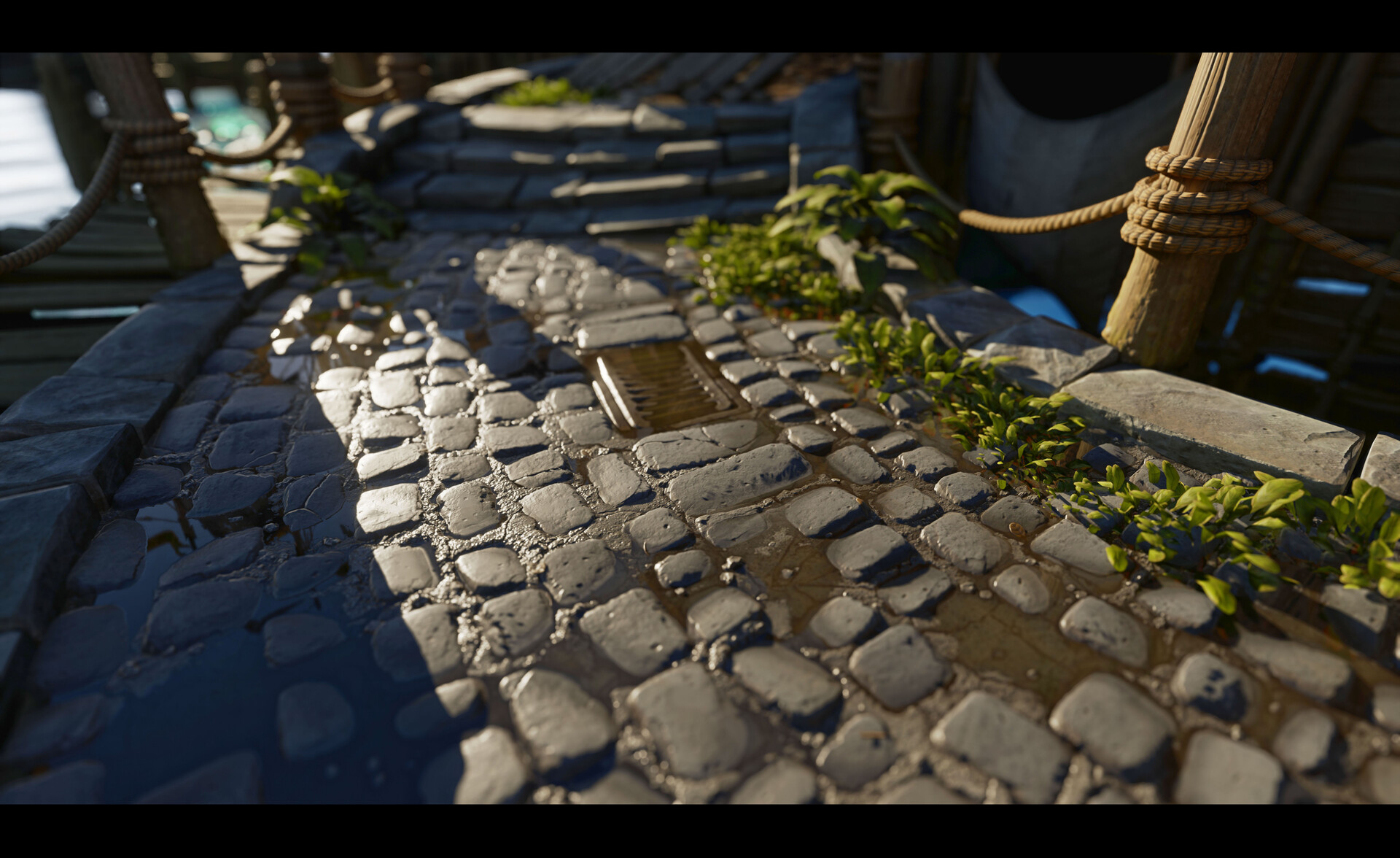
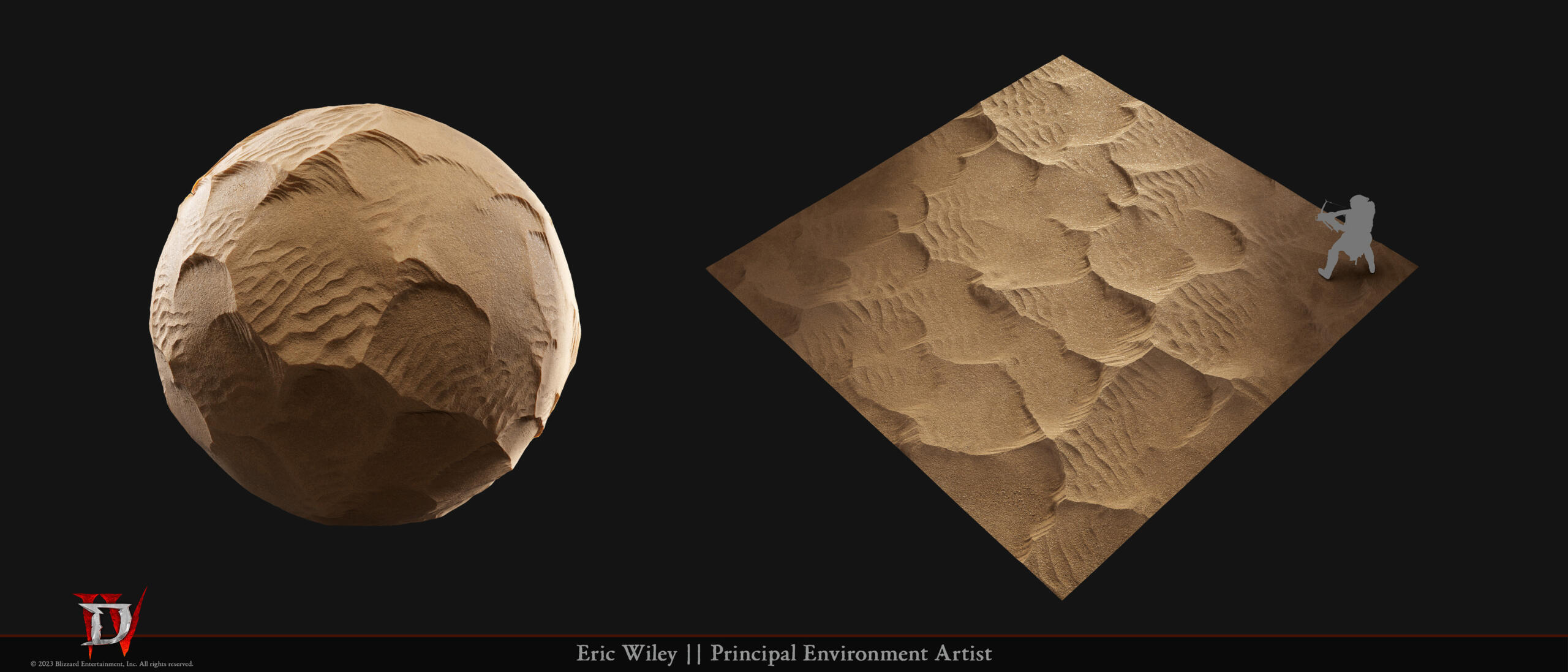
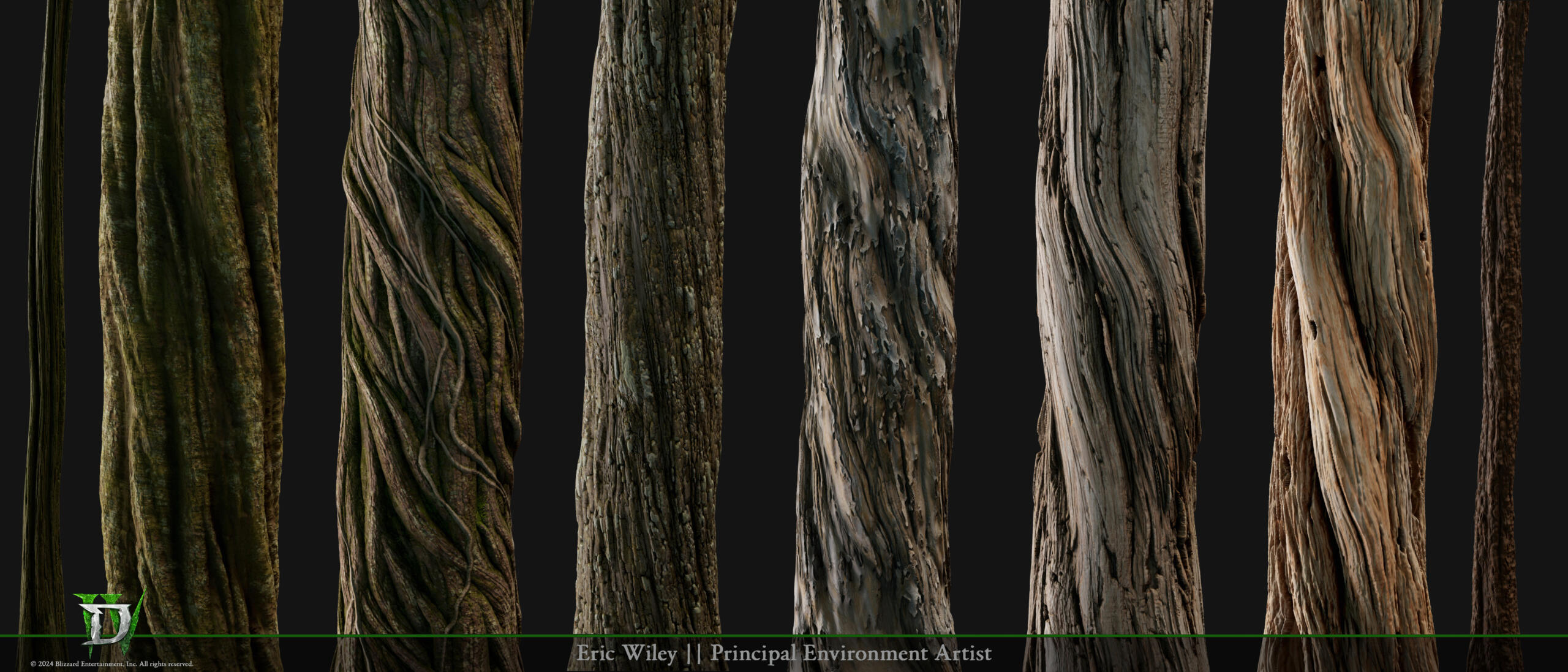
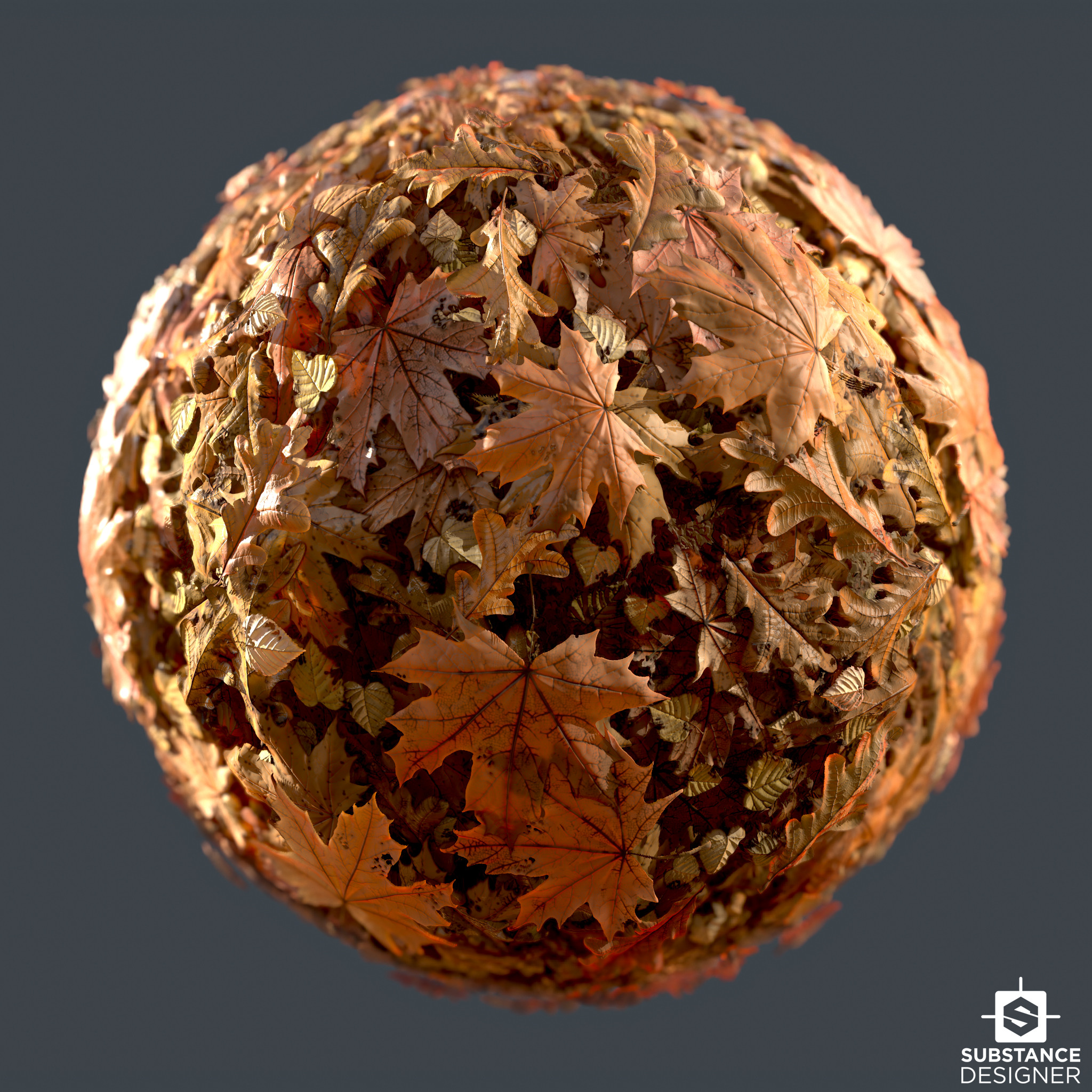
This mentorship focuses on helping artists build a stronger foundation in Substance Designer and in practical texturing workflows for games.
We’ll go over specific Substance Designer workflows and techniques, along with texturing fundamentals like readability, material definition, creating visual interest and how each material supports the world or scene it belongs to. I’ll help each student work toward the art direction they want for their project, while sharing tips and tricks I’ve picked up over the years.
Depending on the student’s skill level and goals, we may also cover custom parameters and generators, shader setup and blending in Unreal Engine. The goal is to give each mentee practical, project-specific feedback they can apply directly to their work.
Q: Who are the ideal candidates for this mentorship and how can they sign up?
This mentorship is designed for beginner to intermediate artists who want to improve their Substance Designer skills and take their materials to the next level.
Whether you’ve recently started learning Substance Designer or already have a solid foundation and want to push your materials further, the mentorship can be adapted to your current skill level and goals.
You can sign up through Vessel Forge’s mentorship page. More details below!
If you’re interested in signing up for this Material Art Fundamentals, you can submit your application here. Spots are limited, but if your application is approved, we’ll reach out to you with a code to purchase your program and officially begin your mentorship journey.
Thank you for reading! You can view Eric’s Metorship below: