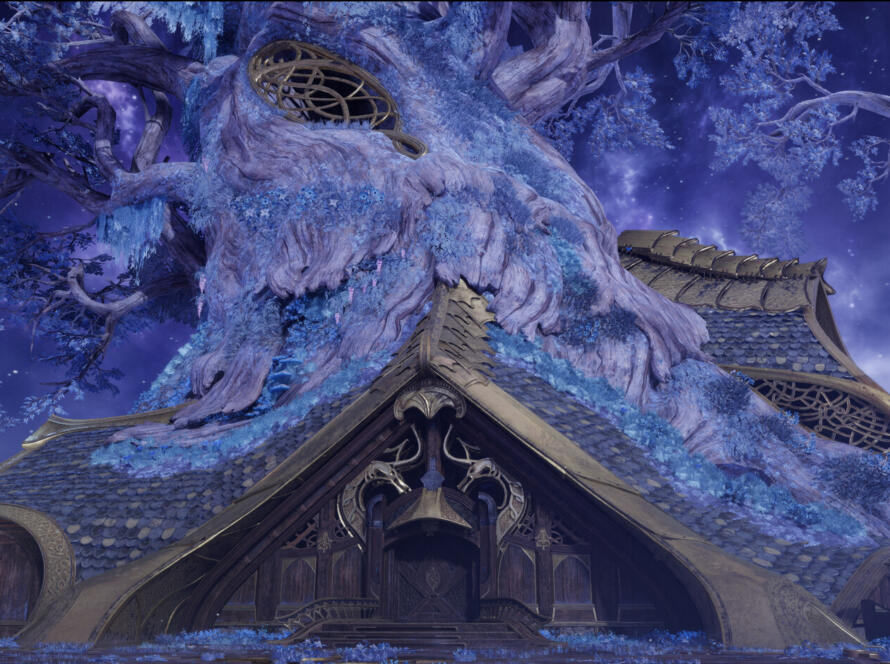
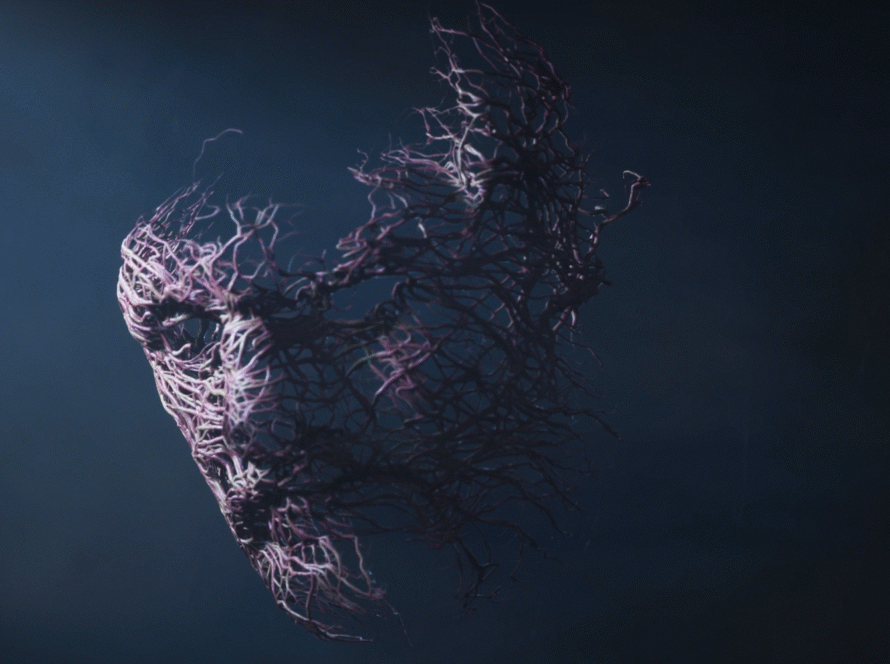
Q: Tell us a bit about you — where do you work and what do you do?
I recently joined Sucker Punch Productions again after I left 5 years ago to join Naughty Dog. I’m a senior environment concept artist there.
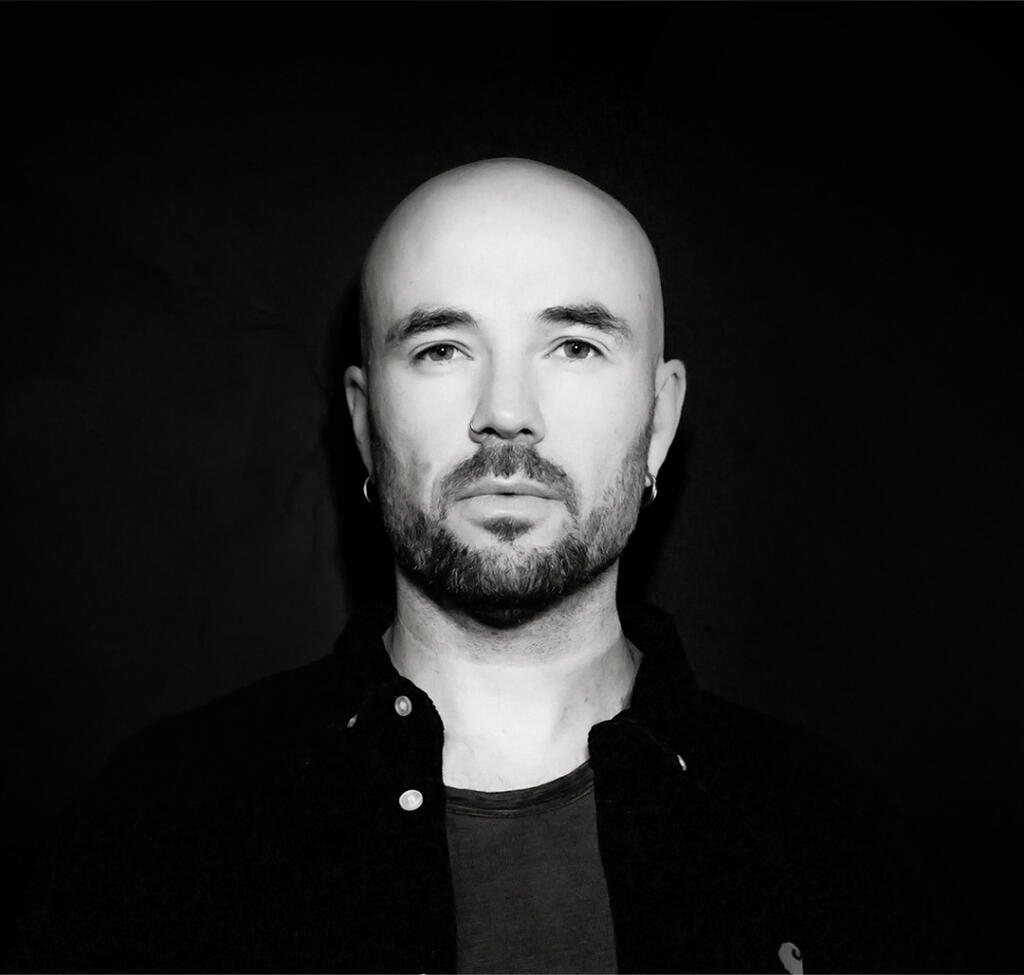
Q: Tell us a little bit about your personal journey into games. Why did you want to get into it?
I began my career as a concept artist in the animation industry, also doing a bunch of work for advertising. I worked on a few TV shows, small animated feature films, and a whole bunch of ads, navigating from one studio to another in Paris, France.
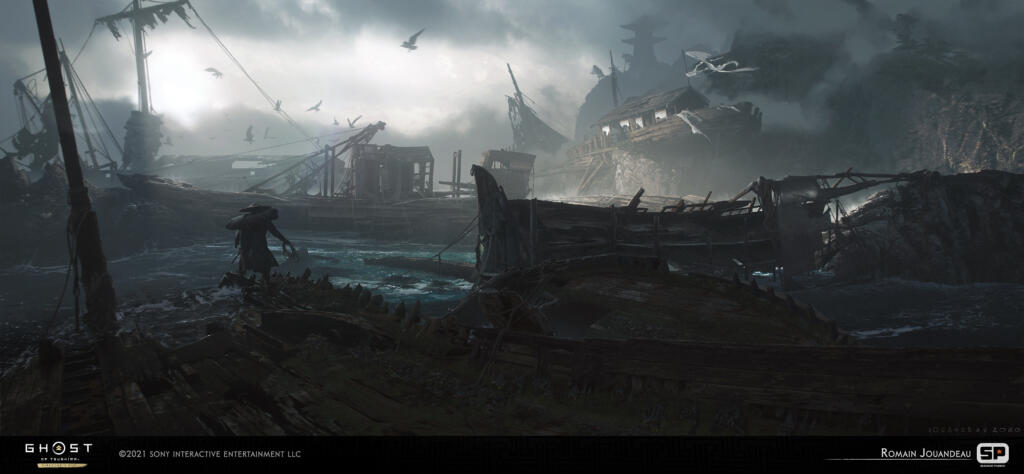
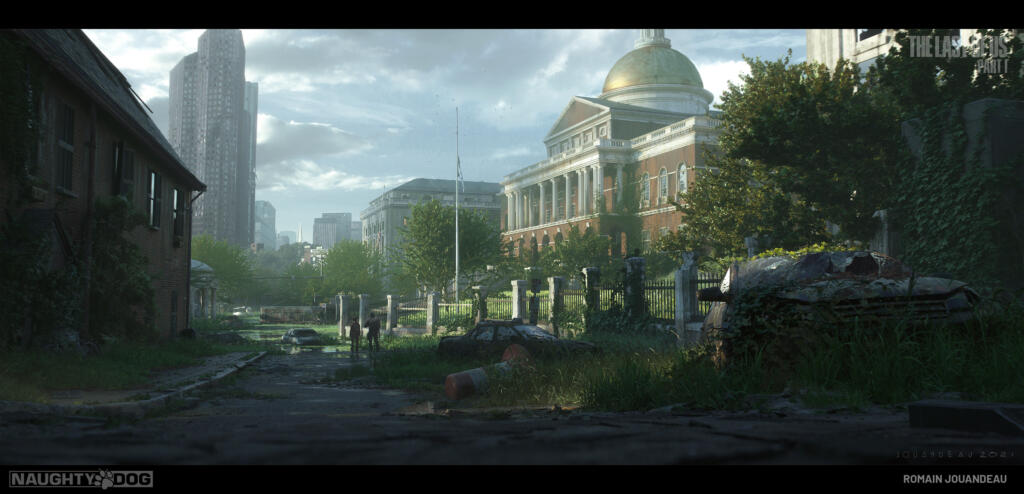
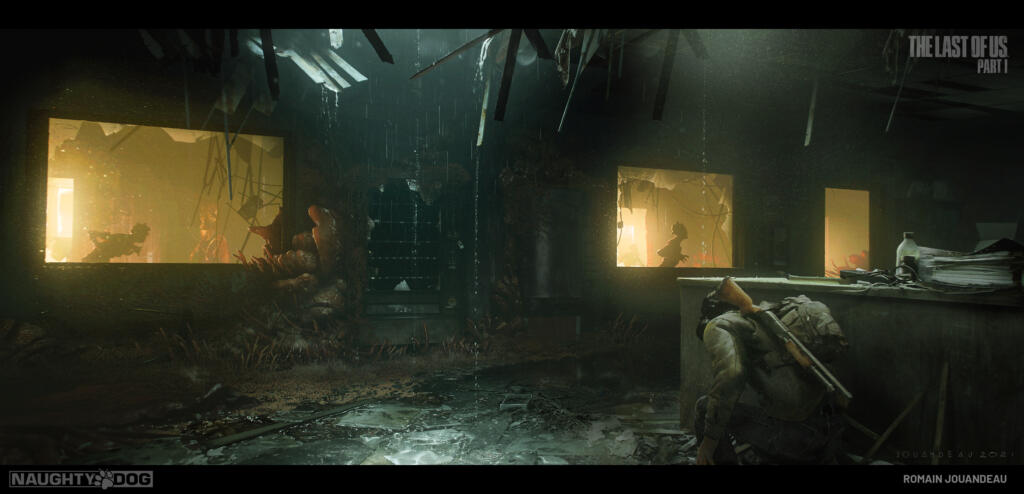
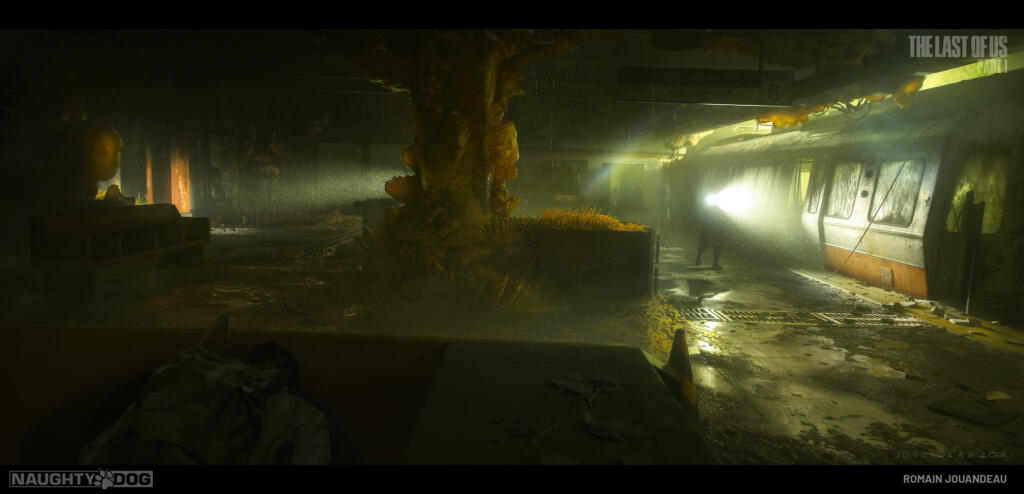
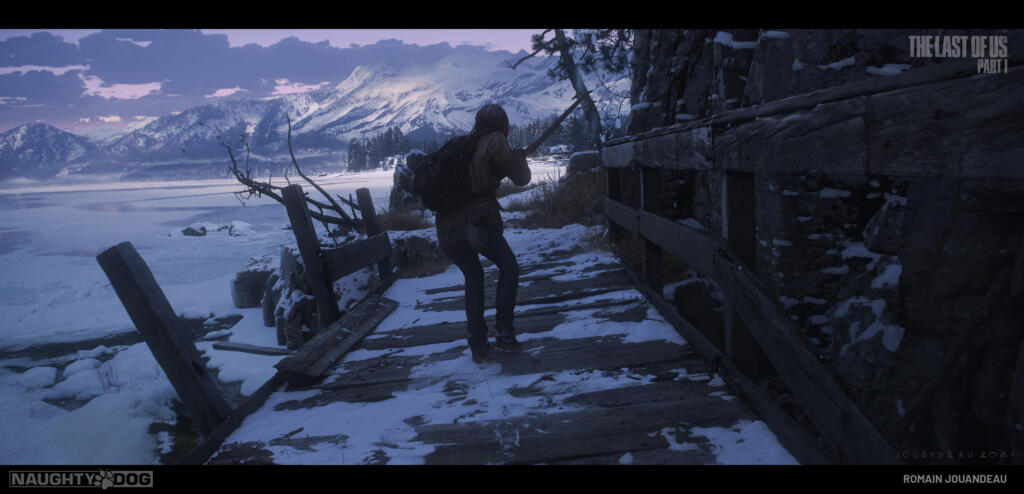
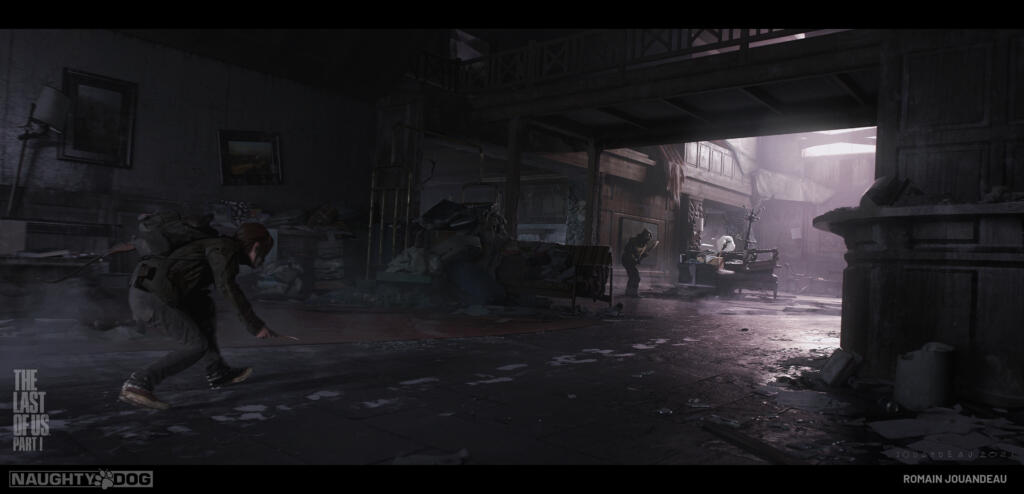
I was never much of a gamer, but everything changed after I played The Last of Us in 2013. That experience opened my eyes to how powerful storytelling can be in video games, and it inspired me to transition into the game industry. I built a more realistic portfolio and ultimately joined Quantic Dream in 2014 to work on Detroit: Become Human. I then joined Warner Bros. Games for a year, but unfortunately the project got canceled. During that whole time I would still take on freelance gigs—small projects here and there, mostly advertising. Then in 2017 I joined Sucker Punch and moved to Seattle. I shipped Ghost of Tsushima there, then left for Naughty Dog to help with The Last of Us franchise and Intergalactic: The Lost Prophet. But I ultimately came back to Sucker Punch, finding it a better fit.
Q: What do you love about working in games and what inspires you?
I love building worlds, letting my creativity run wild, especially at the beginning of a project. I find a lot of inspiration in nature. I love travelling, far and close, and spent a lot of time exploring all sorts of environments, taking photos etc. But I also love storytelling in general, and since working on games can span several years, you really get a chance to become attached to the characters and get deep into the story — it gets personal. I also like how much of a team effort it is, and it always feels like nothing short of a miracle when a video game ships.
Q: Do you have a piece of work you’re most proud of in your career and if so, what is it?
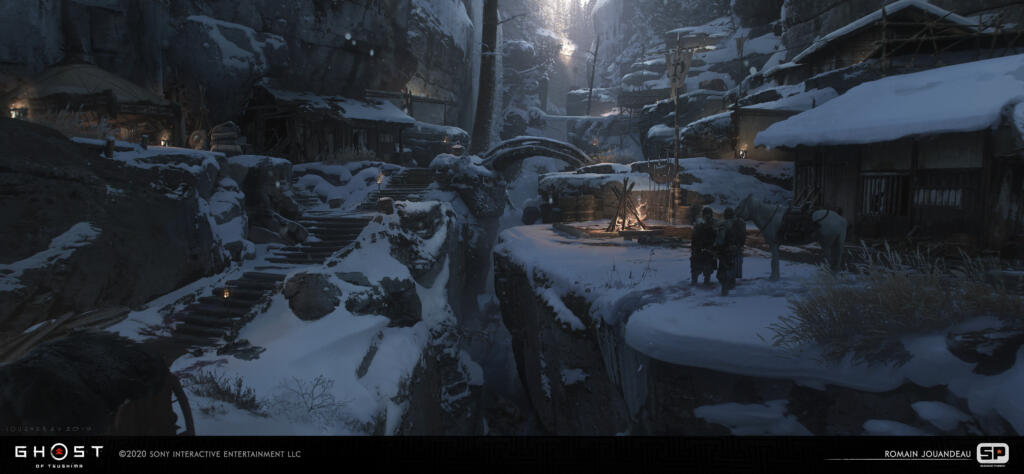
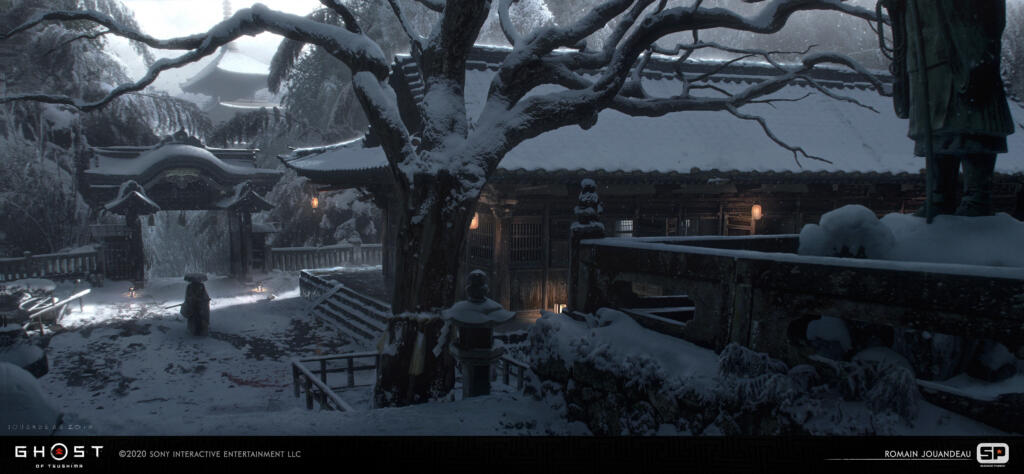
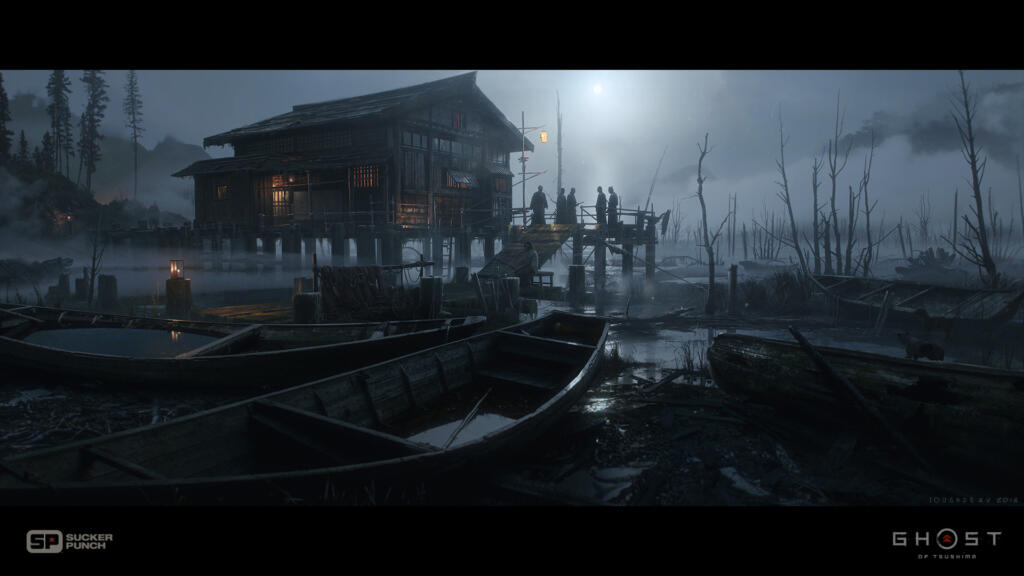
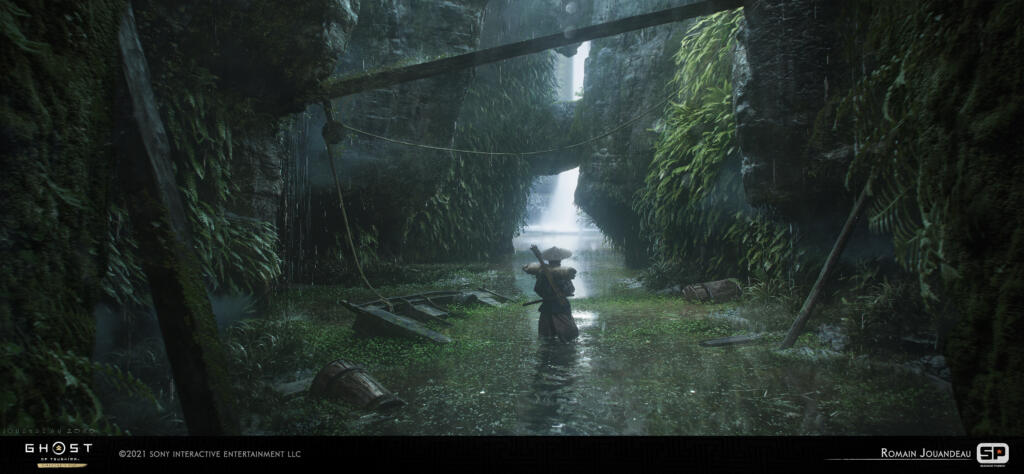
Probably my work on Ghost of Tsushima. The studio trusted me with many polished key art pieces, and I feel those contributions genuinely helped push the game forward. I got incredibly inspired by the Pacific Northwest, it changed a lot of things for me, and I can see now, in retrospect, how much of this place came through my work.
Q: What’s one piece of advice you wish someone had given you early in your career?
I would say to talk to people more. I didn’t quite get a chance to do that during my first years; I didn’t jump on the opportunity. Because of how things were structured, because I didn’t know any better, or simply from being too shy. It’s easy, as an artist, to just do your thing in your little corner without engaging much with your peers and other departments. But making a game is a team effort, and everyone benefits from more communication and cooperation.
Q: What inspired you to join Vessel Forge as a mentor and why?
It’s something that I’ve been asked about often. I already released a couple of tutorials and classes, which from what I hear were helpful, but they didn’t have the feedback dimension with no follow-up or anything like that. But I think it’s an incredibly important part of the teaching/learning process. I wanted to take a stab at that and see how I could help mentees become better concept artists through a longer, more guided process.
Q: What mentorship program are you leading for Vessel Forge?
I will be leading an environment concept art mentorship named 2D Concept Art. I want to walk through the entire process—not just how to create a cool concept, but what it really means to support an environment team, with everything that entails.
This mentorship will guide you through the full process of creating production-ready environment concept art. We’ll cover how to understand narrative needs, gameplay context, and technical limitations, how to gather and analyze references, how to iterate effectively, and how to commit to a polished final piece—whether you prefer a 2D or 3D workflow. All of it aligned with the standards expected in modern AAA development.
Each session includes constructive feedback, practical demonstrations, and support tailored to your learning style.
By the end of the mentorship, you’ll not only know how to create a compelling concept, but also how to make work that is genuinely useful to the team—clear, actionable, and grounded in the realities of game production and art direction.
Q: Who are the ideal candidates for this mentorship and how can they sign up?
Junior to advanced artists. More specifically, Junior concept artists, whether they are already working in the industry or trying to break in. And artists willing to be challenged and open to letting their process evolve. It won’t be solely a technical mentorship—there is already plenty of info to pull from on the internet—but rather a framework to structure the whole creative process.
If you’re interested in signing up for this 2D Concept Art mentorship, you can submit your application here. Spots are limited, but if your application is approved, we’ll reach out to you and provide you with a code to purchase your program and officially begin your mentorship journey.