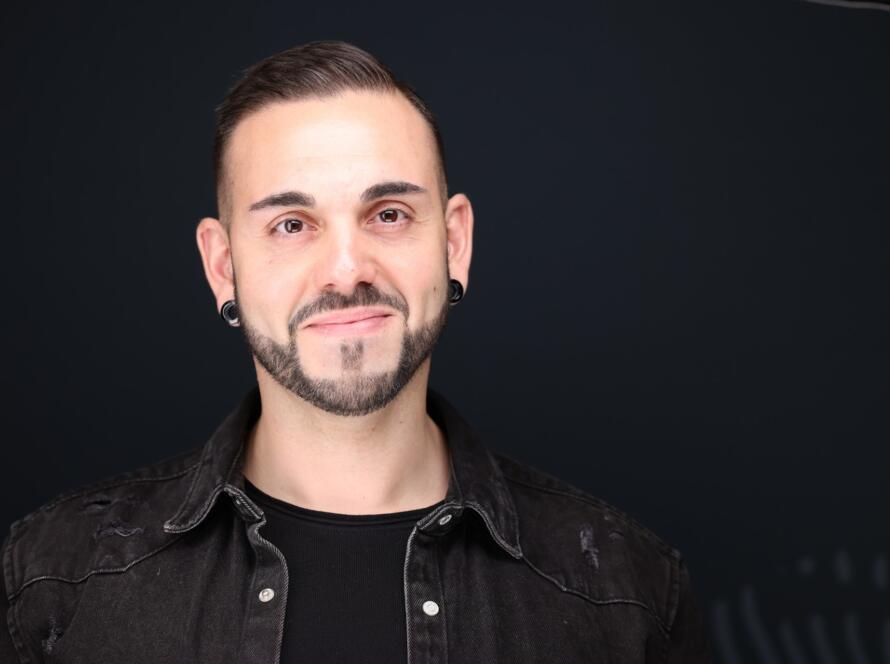
Q: Tell us a bit about you — where do you work and what do you do?
I currently work with BlueTwelve Studio as a Senior Environment Artist. My primary responsibilities include level art development and asset creation, and I also provide feedback and guidance to junior and mid-level artists. In addition, I collaborate with the technical team to develop effective art tools and shaders and offer technical and artistic guidance to outsourcing partners to ensure alignment with the project’s goals.
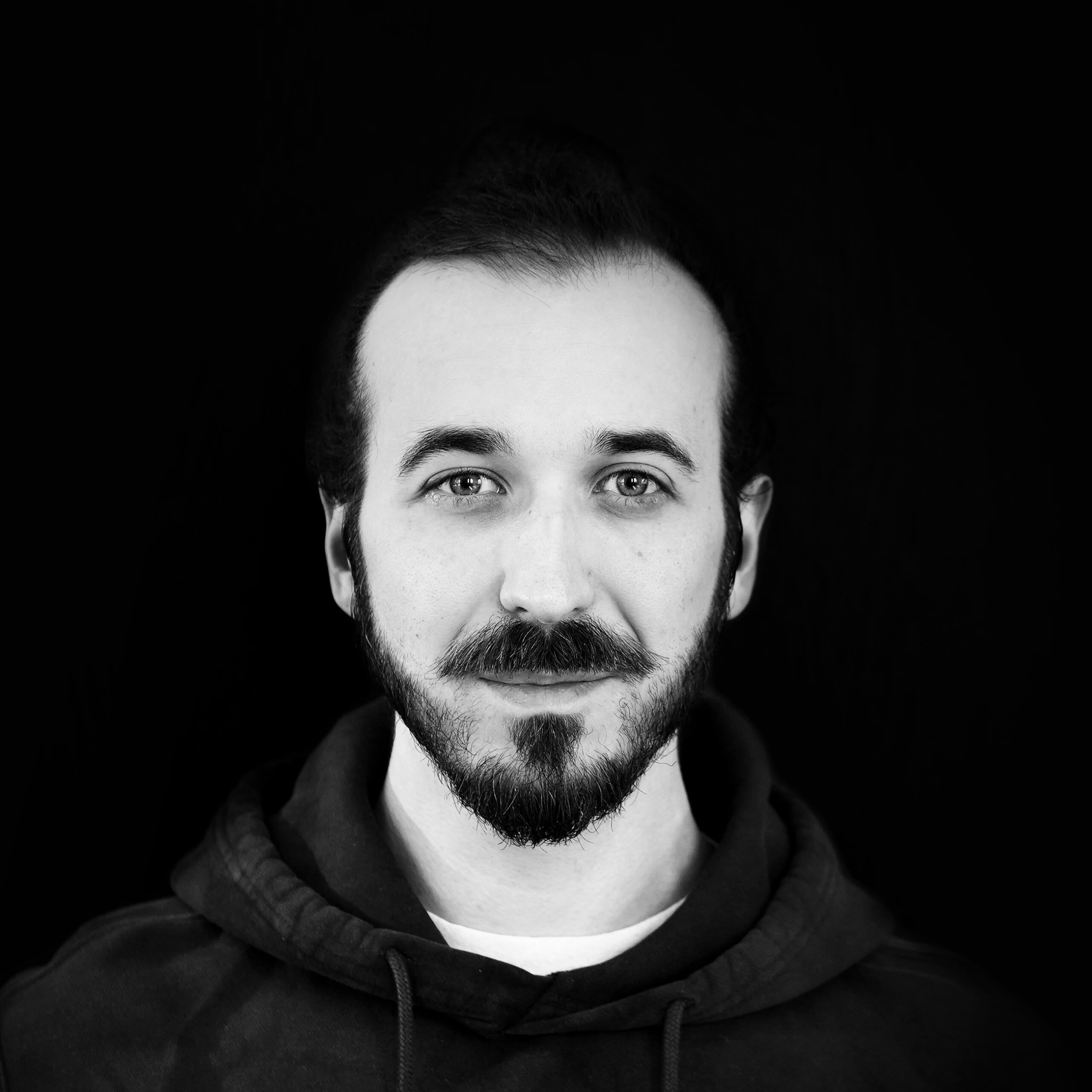
Q: Tell us a little bit about your personal journey into games. Why did you want to get into the industry?
My journey into games felt very natural. I’ve always been interested in art and 3D graphics, even as a kid.
When I was 13, my family got a PC. Screen time was limited to one hour a day, and video games were essentially banned, but I played at friends’ houses after school. At home, I experimented with whatever software I could get my hands on. My main software of choice was 3dsmax 5, and together with my older brother, we made the silliest cartoons imaginable.
Eventually, I got my hands on an obscure game engine and spent a lot of time exploring what I could do with it. Playing games came with a side quest of figuring out how things were made and how I could replicate them. I built simple levels, created tileable textures and props, and even made a simple character with basic movement mechanics. When my computer time ran out, I’d read manuals and sketch ideas for what I would do next. That was my idea of fun.
By the end of high school, I knew I wanted to pursue 3D graphics, so I enrolled in an animation and computer graphics direction program, the most relevant option available to me at the time. During my studies, I started working freelance, creating all kinds of CG graphics. Projects ranged from quick, hour-long jobs to more complex work like product rendering, architectural visualization, even being on filming sets and doing VFX for music videos.
I knew I eventually wanted to move into video games and had always kept up with the industry. When the shift to PBR workflow became evident, I decided to fully focus on game graphics. I built my first real-time rendering portfolio, an old sofa and a few other models I still have on my ArtStation, and got my first gig at a small indie studio.
Unfortunately, the project never shipped, and neither did the one at the next studio I joined. Frustrated by this pattern, I focused on improving my portfolio, always aiming to show my best while taking on freelance projects in between. Around that time, I came across a devblog by two guys building a game about a cat. I sent them an email with a link to my portfolio and a photo of my cat, offering help from both of us, and that’s how I got to work on Stray.
Q: What do you love about working in games and what inspires you?
I love making art in general, but what I enjoy most about working in games is the opportunity to create immersive environments. I like getting the details right so the world feels believable and fun to explore.
I get inspired by different mediums like films and photos, especially when working with different time periods, but also from things I observe around me. Any location, object, or surface that looks visually interesting and where I can trace cause and effect in how it came to look that way instantly catches my attention.
I also like the technical side of working in games. Navigating the limitations of real-time rendering often feels like a game in itself.
Q: Do you have a piece of work you’re most proud of in your career and if so, what is it?
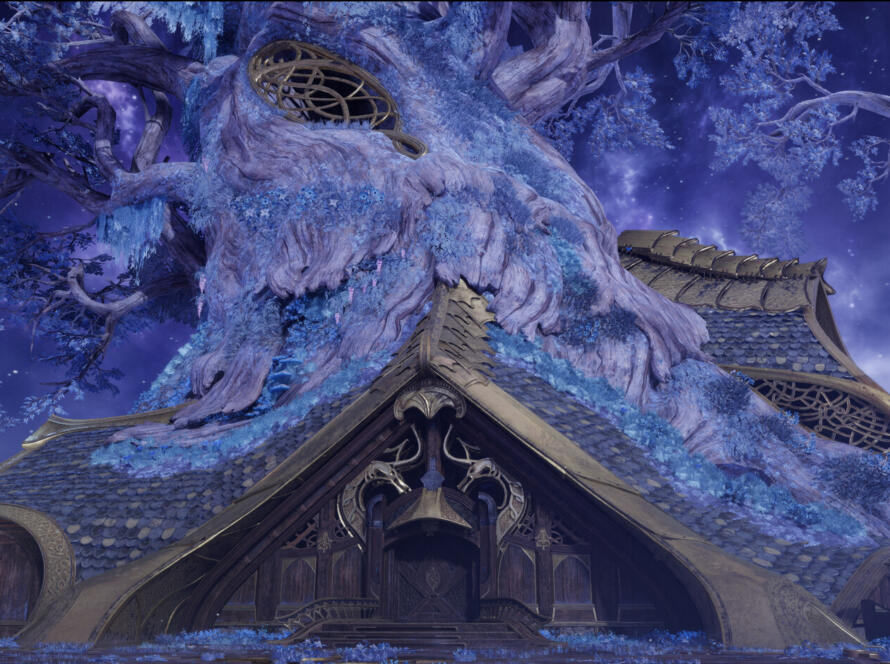
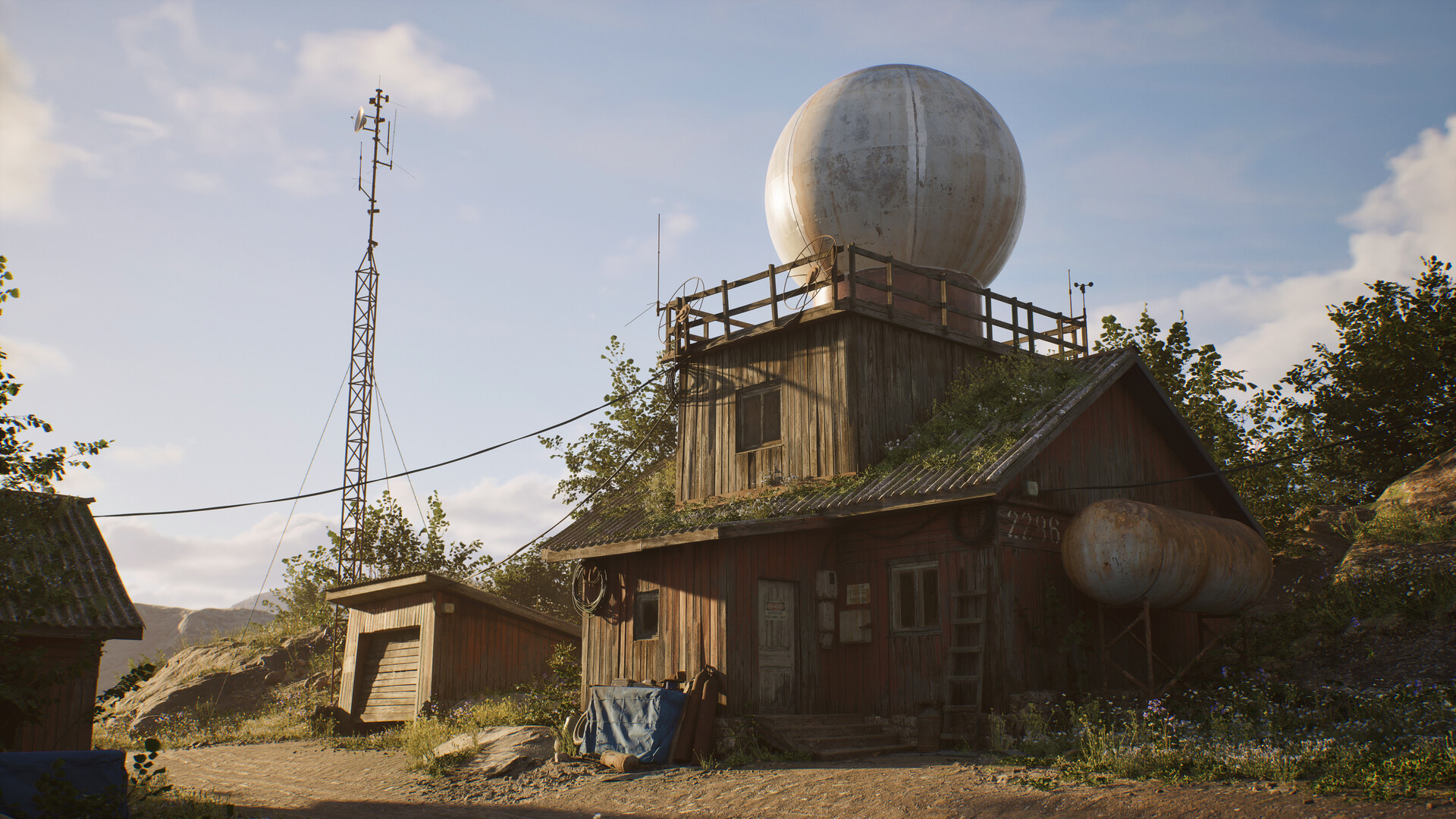
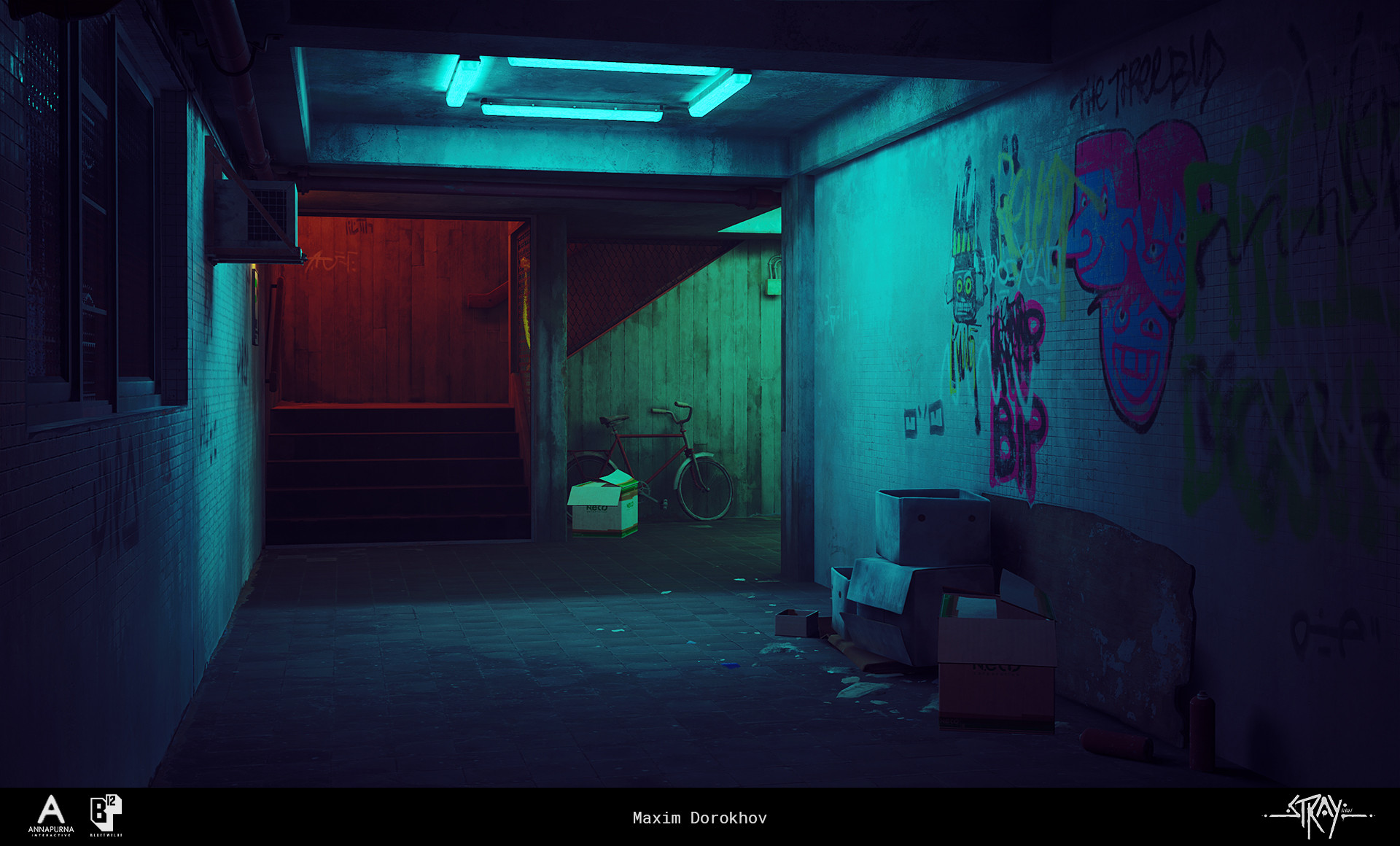
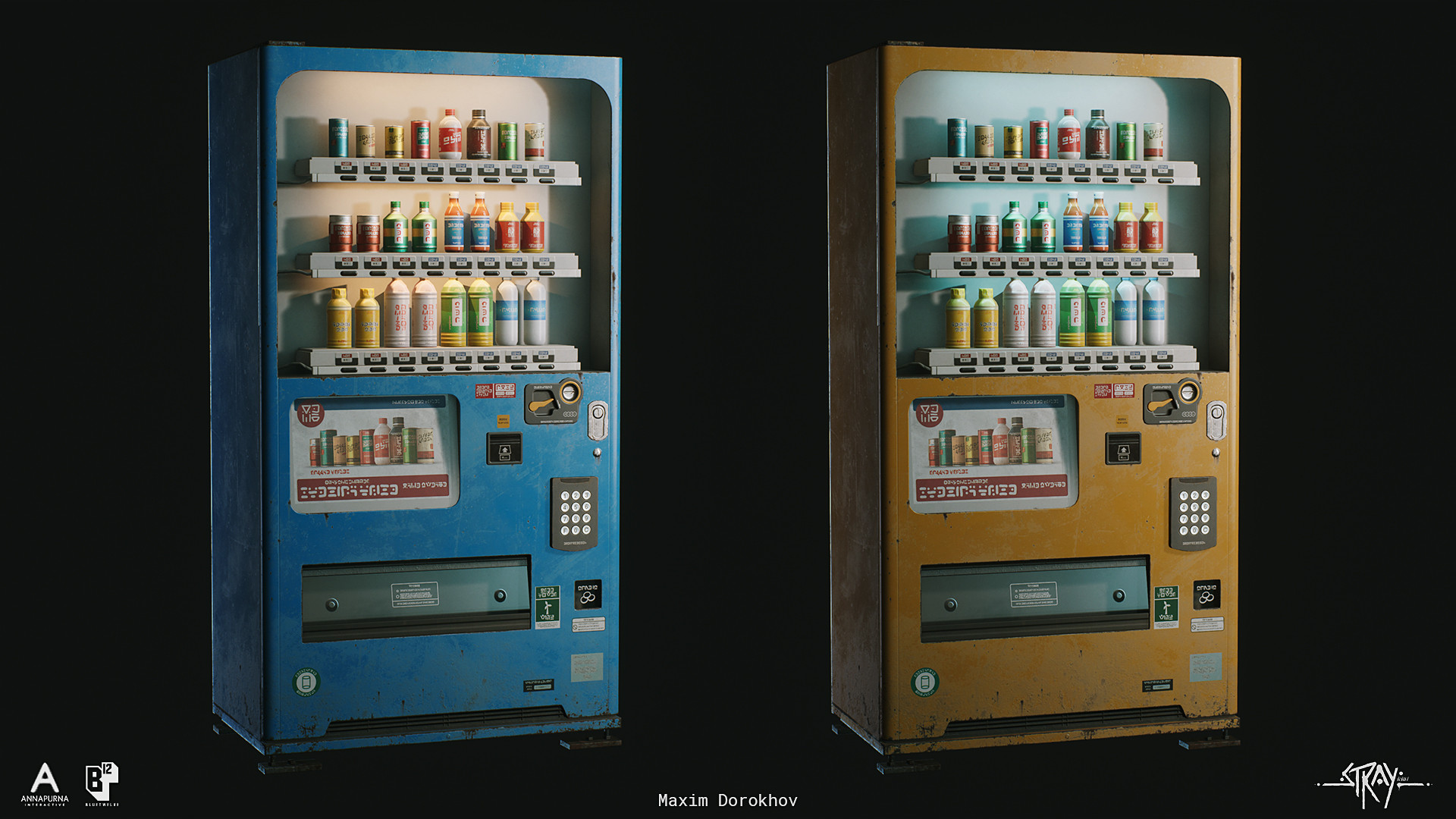
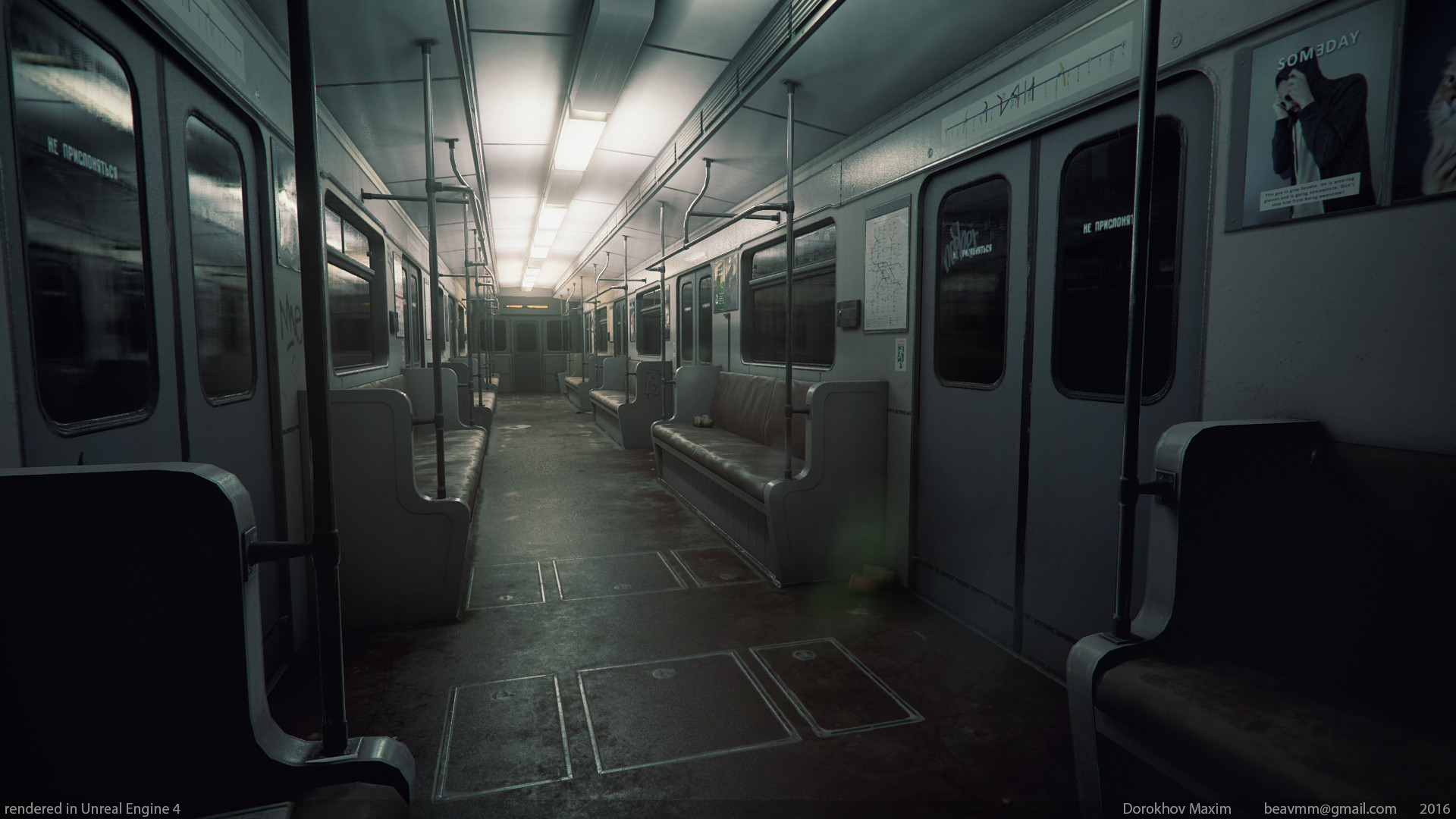
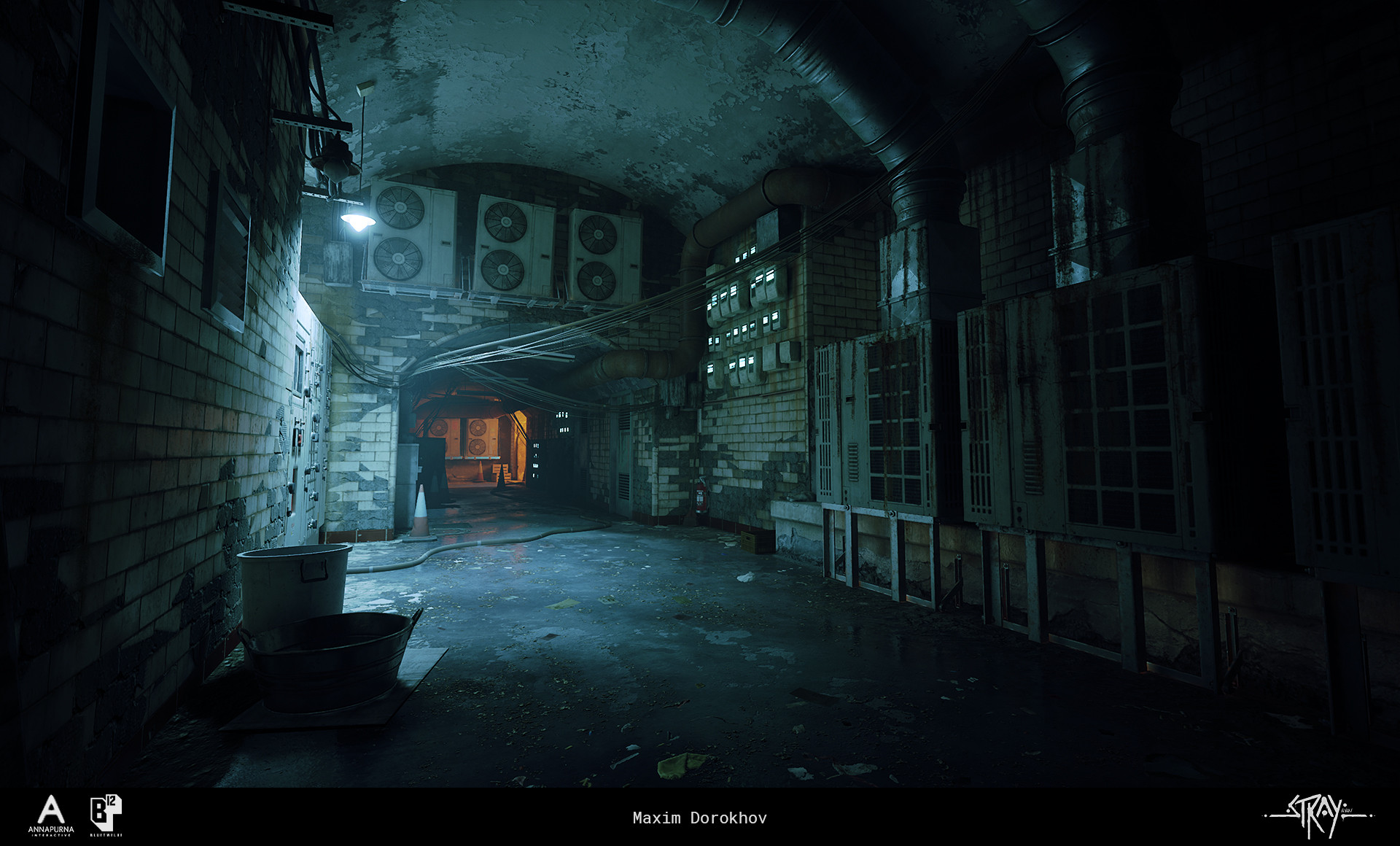
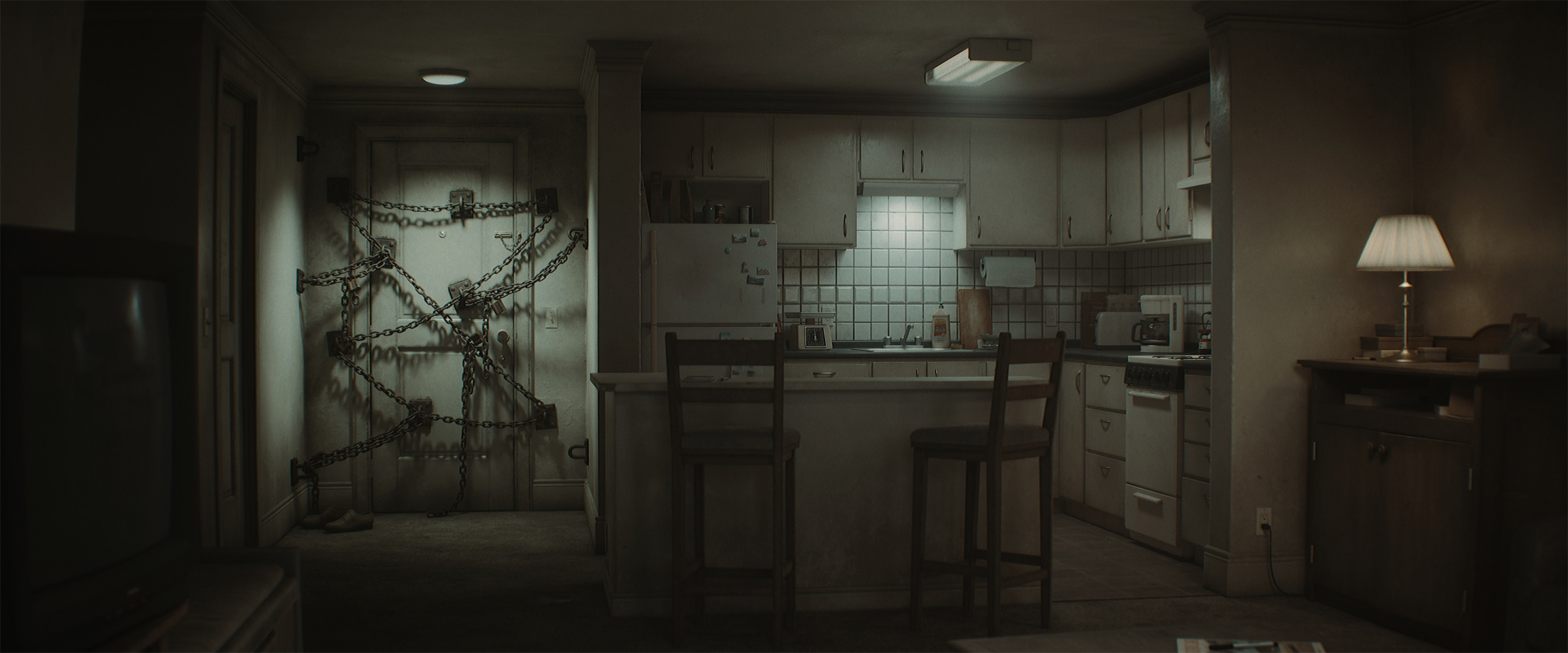
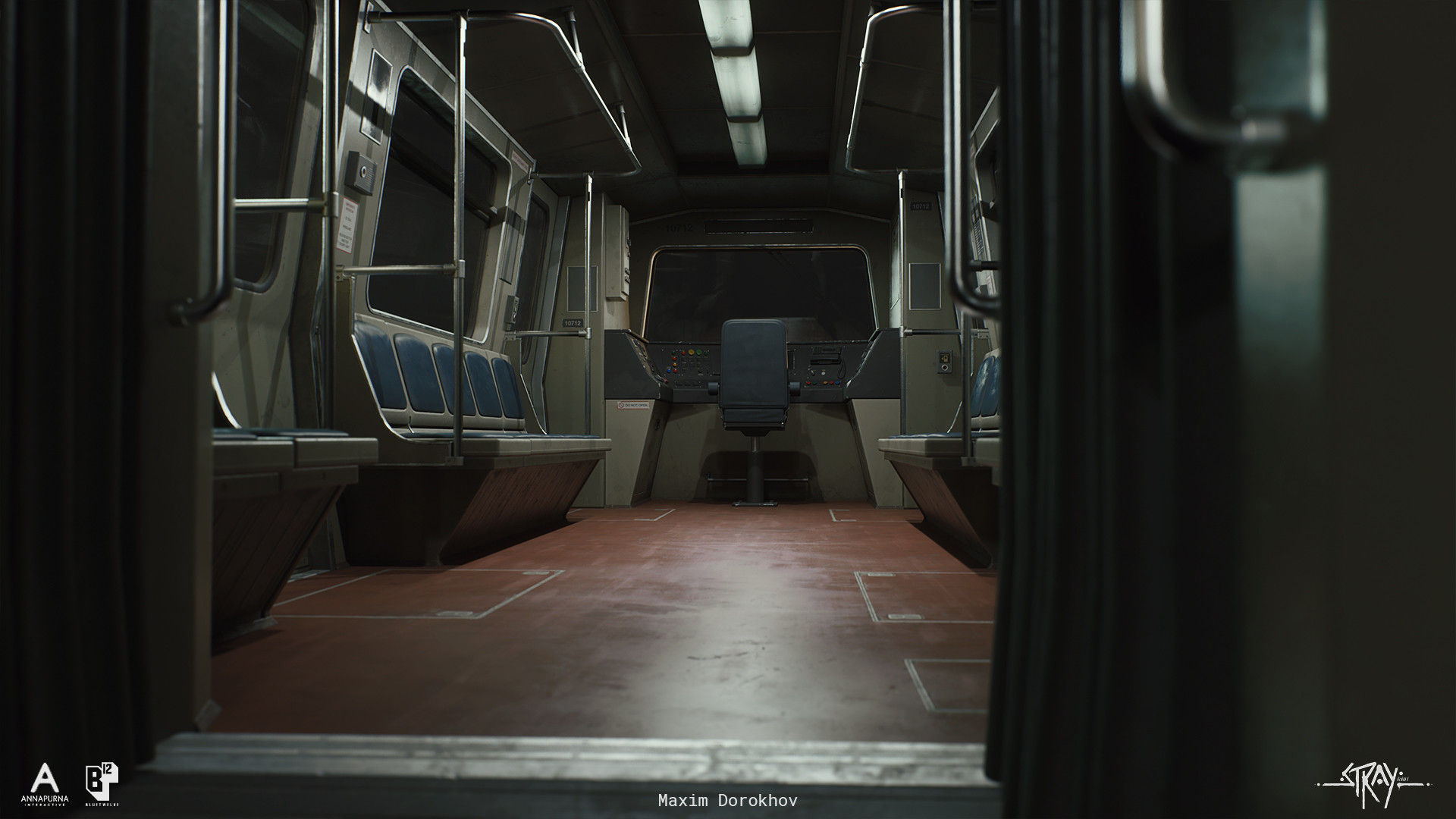
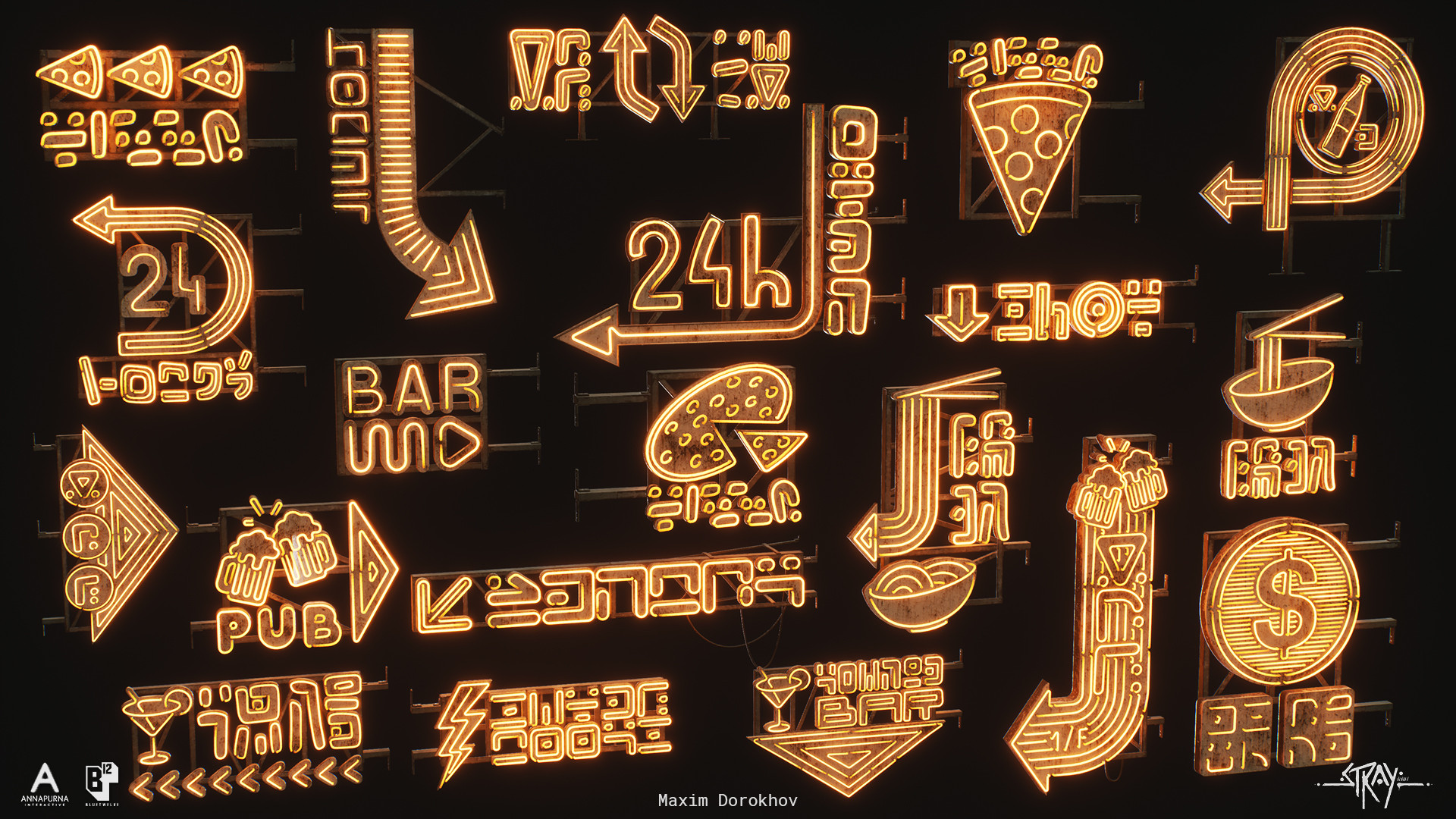
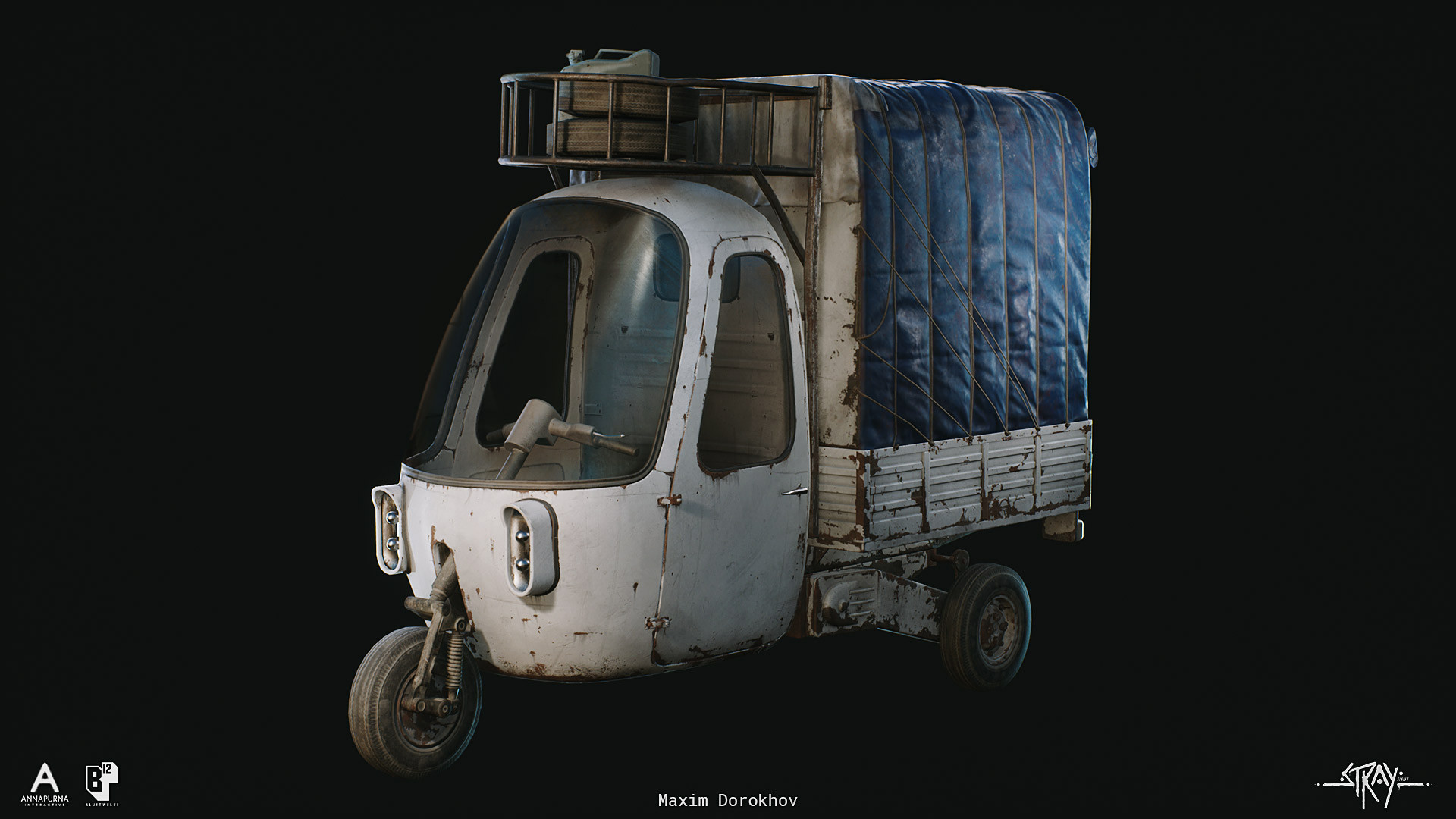
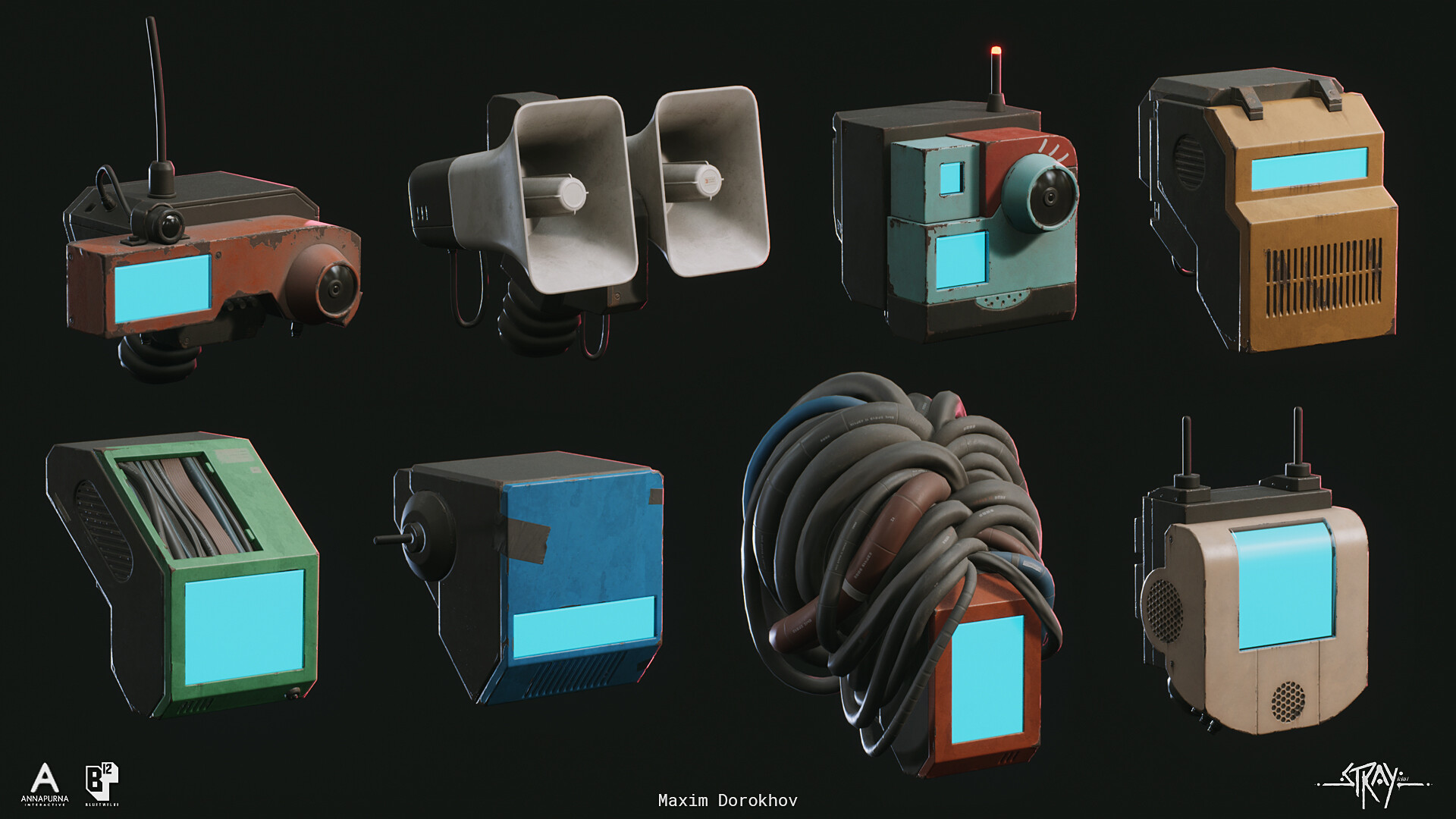
My work on Stray would have to be the work I’m most proud of. The amount of creative freedom and trust I had on this project is something I don’t think happens often in the industry. It’s hard to pick a specific portion of the game, as the things I worked on are scattered throughout, from props and decals to materials and level art, but I’m especially proud of how many new things I tried for the first time. Seeing all of these efforts come together in the final game was incredibly rewarding.
Q: What’s one piece of advice you wish someone had given you early in your career?
For me, it would be just getting out of your comfort zone more often. Early in your career, especially, it’s easy to focus on the skills you already feel confident in, but that can slow your growth over time. Don’t be afraid to try new tools, workflows, or responsibilities, even if you’re not great at them at first. Expanding your skill set not only makes you more versatile but also helps you better understand the production pipeline and makes you more valuable to a team.
Q: What inspired you to join Vessel Forge as a mentor and why?
I’ve been asked about mentoring from time to time, so the idea had been in the back of my mind for a while. When Vessel Forge invited me to join their platform, it felt like the perfect opportunity, especially seeing the team of highly skilled artists already involved.
Q: What mentorship program are you leading for Vessel Forge?
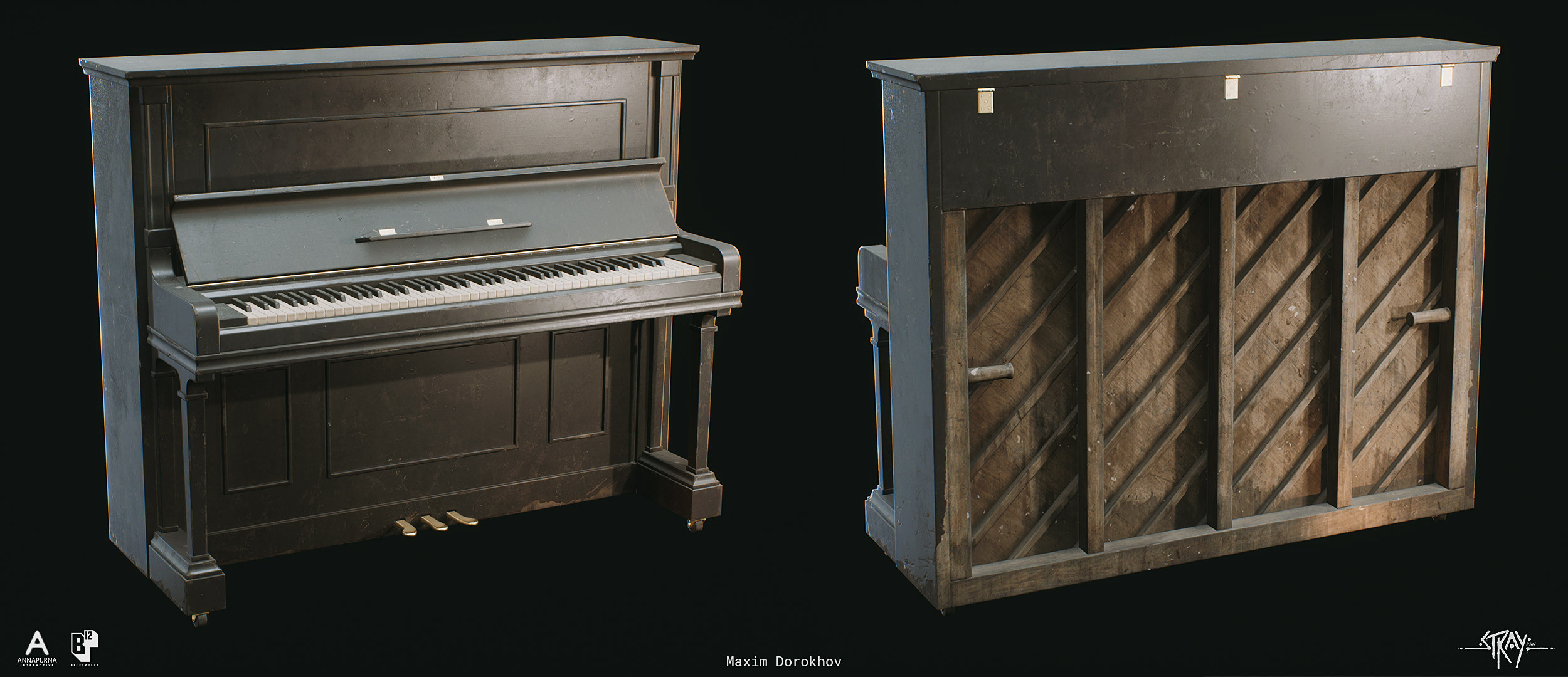
I am leading the 3D Prop Art Mentorship. It focuses on the creation of props, from simple objects to complex hero assets.
The program covers all the core principles needed to create high-quality game assets, including:
- High-poly, mid-poly, and low-poly modeling
- How UVs and baked maps impact the final look
- The use of unique, trim, and tileable textures
- Material treatment
- In-engine setup
- Portfolio presentation
For those interested, the mentorship can also be expanded to cover environment art and Unreal Engine scene setup.
Q: Who are the ideal candidates for this mentorship and how can they sign up?
To get the most out of this mentorship, I’d recommend having at least basic 3D modeling skills and some familiarity with Substance Painter. Aside from that, it can be useful both for beginners who want guidance in their learning process and for more experienced artists who feel they could use some help to improve their skills.
If you’re interested in signing up for this 3D Prop Art mentorship, you can submit your application here. Spots are limited, but if your application is approved, we’ll reach out to you with a code to purchase your program and officially begin your mentorship journey.
Thank you for reading! You can view Maxim’s Metorship below: